Mdhuj Jatulislam Lifestyle & Fashion Shisha Zubehör Fileür Ein Unvergleichliches Raucherlebnis

Shisha Zubehör Fileür Ein Unvergleichliches Raucherlebnis


Ein perfektes Shisha-Erlebnis hängt nicht nur von der Shisha selbst, sondern auch vom passenden Zubehör ab. Mit dem richtigen Shisha Zubehör kannst du dein Raucherlebnis auf ein ganz neues Level bringen. In diesem Artikel zeigen wir dir, welches Zubehör du brauchst, um ein einzigartiges Erlebnis zu schaffen – ganz nach deinem Stil.

Warum ist hochwertiges Shisha Zubehör wichtig?

Ohne das passende Zubehör kann selbst die modernste Shisha nicht ihr volles Potenzial entfalten. Ob Kaminaufsatz – jedes Teil erfüllt eine entscheidende Funktion. Es verbessert den Geschmack, verlängert die Session und sorgt für mehr Genuss beim Rauchen.

Essentielles Shisha Zubehör für dein Setup

1. Shisha Kohleanzünder

Ein Kohleanzünder ist praktisch, wenn du Naturkohle nutzt. Er sorgt für ein gleichmäßiges Durchglühen der Kohle und spart dir jede Menge Zeit. Im Vergleich zum klassischen Herd ist der Anzünder effizienter und speziell für Shisha-Kohle konzipiert.

Vorteile: Kompakt

Nachteile: Zusätzliche Kosten

2. Kaminaufsatz oder Hitzemanagement

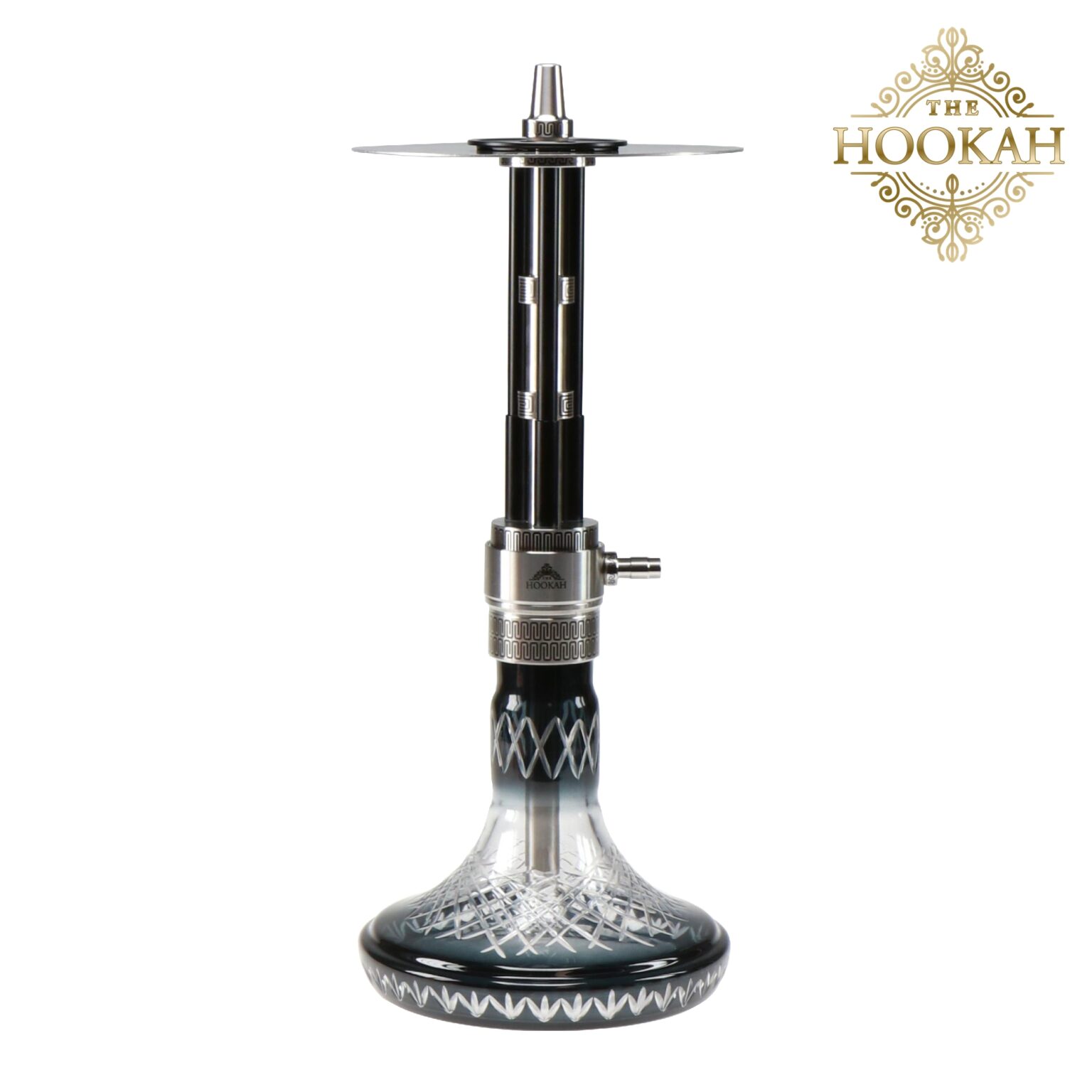
Ein Kaminaufsatz oder Hitzemanagementsystem (HMS) hilft dir, die Temperatur ideal zu regulieren. Das sorgt für einen sanften Rauch und verhindert, dass der Tabak zu schnell verbrennt.

Vorteile: Besserer Geschmack

Nachteile: Zusätzliche Reinigung nötig

3. Mundstück & Schlauch

Ein gutes Mundstück aus Carbon kombiniert mit einem waschbaren Silikonschlauch bringt mehr Stil ins Spiel. Vor allem bei Sessions mit mehreren Personen ist ein Wechsel-Mundstück ein absolutes Muss.

Vorteile: Individuell wählbar

Nachteile: Manchmal teuer in Designvarianten

4. Shisha Bowl & Dichtungen

Eine dicht schließende Shisha Bowl sowie gute Dichtungen sind entscheidend für einen intensiven Rauchgenuss. Achte darauf, dass alles luftdicht sitzt – nur dann bekommst du die effizienteste Rauchentwicklung.

Vorteile: Besserer Durchzug

Nachteile: Man muss auf Kompatibilität achten

5. Kohlezange & Untersetzer

Die Kohlezange erleichtert den sicheren Umgang mit heißer Kohle. Ein hitzebeständiger Untersetzer schützt Oberflächen vor Schäden und sieht gleichzeitig noch gut aus.

Vorteile: Präzision

Nachteile: Wird oft unterschätzt

Zusätzliches Zubehör für Fortgeschrittene

Wenn du dein Setup weiter individualisieren willst, sind folgende Items ebenfalls spannend:

Molassefänger: Verhindert, dass überschüssige Molasse in die Shisha läuft.

Diffusor: Sorgt für leisen Rauch und besseren Durchzug.

LED-Untersetzer: Für das gewisse Extra in Sachen Atmosphäre.

Fazit: Shisha Zubehör für ein unvergleichliches Raucherlebnis

Das richtige shisha kaufen Zubehör ist der Schlüssel für ein unvergleichliches Rauchvergnügen. Von Kohleanzünder über Mundstücke bis hin zum Kaminaufsatz – jedes Teil macht dein Erlebnis ein Stück besser. Wenn du wirklich das Beste aus deiner Shisha holen willst, lohnt sich die Investition in durchdachtes Zubehör auf jeden Fall.

Leave a Reply

Your email address will not be published. Required fields are marked *

Related Post

The Innovations of Celebrate Innocent AI Clothes ChangerThe Innovations of Celebrate Innocent AI Clothes Changer

Celebrate Innocent ai clothes changer is revolutionizing the fashion industry by introducing cutting-edge technology that simplifies the way we choose and change our outfits. This AI-powered tool has gained popularity due to its unique features and innovative approach to clothing selection.

Changing the Way We Dress

With the Celebrate Innocent AI Clothes Changer, gone are the days of spending hours in front of the mirror deciding what to wear. This smart technology uses artificial intelligence to analyze your wardrobe and suggest outfits based on your personal style preferences, the weather, and the occasion.

Personal Styling Made Easy

The AI Clothes Changer creates a virtual closet for users, allowing them to mix and match different pieces effortlessly. Whether you’re looking for a casual everyday look or a formal attire for a special event, this tool has got you covered.

Recent Statistics

  • According to a study conducted in 2022, 78% of users reported feeling more confident in their outfit choices since using the Celebrate Innocent AI Clothes Changer.
  • The sales of AI-powered fashion tools have seen a 40% increase in the past year, indicating a growing demand for innovative solutions in the fashion industry.

Case Studies

Case Study 1: Sarah’s Story

Sarah, a busy professional, struggled to put together stylish outfits for work every day. Since integrating the AI Clothes Changer into her routine, she saves valuable time in the morning and always steps out looking polished and put together.

Case Study 2: John’s Journey

John, a fashion enthusiast, wanted to experiment with his style but felt overwhelmed by the choices in his closet. With the help of the AI Clothes Changer, he discovered new ways to pair his existing pieces, unlocking a world of possibilities without the need for additional purchases.

A Distinctive Perspective

Celebrate Innocent AI Clothes Changer is not just a tool for outfit selection; it represents a shift towards a more sustainable and efficient way of approaching fashion. By encouraging users to make the most of what they already own, this technology promotes conscious consumption and minimizes waste.

Overall, the Celebrate Innocent AI Clothes Changer is a game-changer in the world of fashion. Its ability to simplify the outfit selection process, boost confidence, and promote sustainability sets it apart as a unique and innovative solution for modern-day styling needs.

The Phylogeny Of Men S Forge: Embracement Versatility, Soothe, And Soul ExpressionThe Phylogeny Of Men S Forge: Embracement Versatility, Soothe, And Soul Expression

Men’s forge has come a long way from the days of rigid evening clothes and the one-size-fits-all set about. Today, it is about versatility, console, and most importantly, self-expression. From the sharply suits of the early 20th century to the laid-back streetwear of modern font multiplication, men’s fashion has ceaselessly evolved, reflecting broader discernment shifts, technical advancements, and ever-changing perceptions of maleness. The world of men’s fashion is no yearner just about following trends; it’s about creating a subjective style that reflects one s personal identity and values.

In the early 1900s, men’s 20代メンズファッション was all about formalness. Suits, ties, and well-pressed trousers were the norm, especially in professional person settings. This era saw the growth of iconic tailoring styles, like the British suit, which stressed social organization and preciseness. Men s forge was typically undemonstrative for specific occasions, with little room for mortal flair. However, as societal norms shifted, so too did the construct of men’s wear. The mid-20th century brought with it the rise of unplanned wear, thanks in part to the burgeoning youth culture and the impact of international icons such as James Dean and Marlon Brando. The 1950s and 1960s were distinct by rock’n’ roll influences and the rebellion against traditional skeletal muscle standards.

The late 20th saw a considerable transfer with the introduction of intriguer labels and sumptuousness forge brands that targeted a broader male hearing. The rise of hip-hop in the 1980s and 1990s had a unfathomed effectuate on the fashion industry. Baggy jeans, outsized jackets, and colourful accessories became the uniform of urban youth. This era was all about standing out, and hip-hop icons such as Run-D.M.C. and Tupac Shakur became as known for their fashion choices as their medicine. Meanwhile, European forge houses began to push the boundaries of masculinity, introducing high-fashion menswear collections that embraced a more tailored and purified aesthetic.

As we sick into the 21st century, men’s forge became more accessible, with fast fashion retailers offering low-cost and voguish options. The cyberspace played a material role in the democratisation of title, as social media platforms like Instagram and Pinterest allowed men from all walks of life to partake in their personal style and gain inspiration from influencers and designers around the worldly concern. The construct of streetwear, which started as a subculture, bit by bit became mainstream, with brands like Supreme, Off-White, and Yeezy leading the shoot up. This transfer echolike a growing want for console and functionality in quotidian rig out, as well as an acceleratory for unplanned, easy-to-wear garments that still felt groovy.

Today, men s forge is a melting pot of influences, and what was once well-advised acceptable or in-style is now up for deliberate. The construct of gendered clothing has become less strict, with many men embrace wearable traditionally associated with women, such as skirts or accessories like handbags. This has led to the rise of sexuality-neutral and androgynous forge lines, which allow individuals to verbalise themselves without the constraints of traditional sexuality norms. Additionally, sustainability has become a John Roy Major focus on in the forge industry, as consumers progressively prioritise right production and eco-friendly materials.

One of the most exciting aspects of Bodoni font men s forge is the exemption to experiment and mix styles from different eras, cultures, and influences. Whether it’s combining high-end designer pieces with thrifted items, or intermixture streetwear with dinner dress fig up, there are no limits to how men can express themselves through forge. What was once a conservative and often intolerant industry has transformed into an ever-evolving playground of creative thinking, where personal title is not just about vesture but about tattle a news report and qualification a command.

Ultimately, men s fashion now is more comprehensive and different than ever before, offer infinite opportunities for self-expression. The futurity of men’s forge lies not only in what we wear but in how we wear it empowered by the choices we make and the way we with confidence squeeze our individualism.

Unchanged Or Fast Forge? Navigating The Of Sustainability And Style In Bodoni Font VestureUnchanged Or Fast Forge? Navigating The Of Sustainability And Style In Bodoni Font Vesture

In today s ever-evolving fashion landscape, consumers are progressively Janus-faced with a polar choice: enthrone in unchanged elegance or indulge in the momentary thrill of fast fashion. The decision is more than just a matter of subjective smack it reflects deeper values around sustainability, moral philosophy, and the long-term bear upon of our expenditure habits. As the fashion manufacture continues to be scrutinized for its state of affairs and sociable consequences, the contrast between long-suffering style and trends has never been more stark ﻟﺒﺎس ﺧﺎﻧﮕﯽ ﺷﯿﮏ.

The Allure of Fast Fashion

Fast fashion refers to two-a-penny habiliment produced chop-chop by mass-market retailers in reply to the latest trends. Brands like Zara, H M, and Shein have shapely empires on the ability to work runway-inspired looks to consumers in a matter to of days or weeks. The invoke is open: in style, cheap garments that make it easy to refresh one s wardrobe with each season or even each week.

However, this fast product cycle comes at a substantial cost. The forge industry is one of the largest polluters in the earth, responsible for for around 10 of global carbon paper emissions and solid water expenditure. Many fast forge items are made using synthetic fibers like polyester fabric, which are plagiaristic from fogey fuels and shed microplastics into waterways. In plus, the labor behind fast fashion is often outsourced to countries with lax labor laws, leadership to exploitative workings conditions and borderline wages.

The Enduring Appeal of Timeless Elegance

On the other end of the spectrum lies timeless wear premeditated to exceed trends, direction instead on tone craftsmanship, classic silhouettes, and long-wearing materials. Think of a well-tailored wool coat, a scrunch white shirt, or a perfectly trying on pair of jeans. These are pieces that can be worn year after year, resisting the urge to be cast-off with every shift in seasonal worker style.

Timeless forge often aligns with sustainable practices. Brands pledged to timber over quantity tend to seed eco-friendly materials, vest in right push, and make in smaller quantities to minimise run off. Moreover, these garments are more likely to be wanted and cared for by their owners, extending their lifecycle importantly.

The Crossroads: Making Sustainable Style Choices

As consumers grow more environmentally intended, a new wave of reminiscent shopping habits is future. Secondhand shopping, vesture rentals, and upcycled forge are gaining impulse as alternatives to both fast fashion and high-end designer wear. Initiatives like capsulise wardrobes where a express survival of the fittest of various items form the founding of all outfits highlight how minimal art can be both snappy and property.

But navigating this landscape painting isn t always straightforward. Luxury doesn t always mean sustainable, and some fast fashion brands have started greenwashing their visualise by launch conscious collections with stripped-down transparency. For consumers, qualification au courant choices involves looking beyond selling claims and examining a stigmatise s overall practices, from supply chain moral philosophy to environmental bear on.

Bridging the Gap

Interestingly, a growth total of brands are attempting to merge the best of both worlds offering inexpensive yet produced forge that nods to stream trends without the deadly footmark. These slow fashion labels underline transparence, fair push on, and seniority, portion redefine what faddy and sustainable vesture looks like.

For individuals, the shift toward sustainable style doesn t want an overnight press pass. Small steps such as purchasing less, better-quality items, supporting ethical brands, or even scholarship to mend and care for apparel can have a considerable cumulative touch on.

Conclusion

Ultimately, choosing between timeless elegance and fast forge isn t just about esthetics it s a reflectivity of our values and priorities. In an era pronounced by climate urging and sociable , the fashion choices we make can be a mighty tool for change. While fast forge may volunteer and moment satisfaction, unaltered title offers something arguably more worthful: a path toward sustainability, authenticity, and long-suffering sweetheart in the dress we wear.

Eid Collection Pakistan Inspired by Culture?Eid Collection Pakistan Inspired by Culture?

Eid is one of the most celebrated festivals in Pakistan, a time when families come together, homes are adorned with lights, and hearts are filled with joy. Alongside these festivities, Eid Collection Pakistan has become a symbol of cultural expression, showcasing a rich tapestry of traditional craftsmanship, modern fashion trends, and vibrant colors.

Whether it’s the intricate embroidery, luxurious fabrics, or the latest design trends, Eid collections in Pakistan reflect the country’s heritage while embracing contemporary elegance.

In this guide, we will explore everything you need to know about Eid Collection Pakistan, from cultural inspirations to fabric choices, trending designs, shopping tips, and styling advice. By the end, you will have a thorough understanding of how Pakistan’s Eid collections blend tradition with modernity, making every outfit a statement of cultural pride.

The Cultural Significance of Eid Fashion in Pakistan

Eid is not only a religious celebration but also a cultural phenomenon in Pakistan. Fashion plays a central role during this festival. People invest time and effort in selecting outfits that are not only stylish but also deeply rooted in the cultural heritage of the country. Eid Collection Pakistan often draws inspiration from various regional cultures, incorporating designs and motifs unique to Sindh, Punjab, Balochistan, and Khyber Pakhtunkhwa.

Traditional elements like chikankari embroidery, mirror work, and block prints are combined with modern cuts, patterns, and embellishments. This fusion allows wearers to honor their roots while keeping up with contemporary fashion trends. The cultural significance of Eid clothing also extends to family and community gatherings, where presenting oneself elegantly is a mark of respect and celebration.

Popular Fabrics in Eid Collection Pakistan

One of the most important aspects of Eid Collection Pakistan is the choice of fabric. The right fabric can enhance the beauty of a design and provide comfort during long hours of festivities. Common fabrics used in Eid collections include:

  • Cotton: Lightweight and breathable, cotton is ideal for daytime Eid celebrations, especially in hot climates.

  • Lawn: Known for its soft texture and vibrant prints, lawn is a favorite for casual and semi-formal Eid outfits.

  • Chiffon: A luxurious and flowy fabric, chiffon is perfect for formal dresses and dupattas, adding elegance and grace.

  • Silk and Satin: These fabrics are often used for high-end Eid collections, offering a glossy finish and a regal appearance.

  • Organza: Lightweight yet structured, organza is ideal for overlays, sleeves, and intricate embellishments.

Each fabric has its own unique charm, and designers often combine multiple fabrics in a single outfit to create depth, texture, and visual appeal.

Embroidery and Craftsmanship

A hallmark of Eid Collection Pakistan is its emphasis on intricate embroidery and craftsmanship. Traditional embroidery techniques continue to inspire modern designers, resulting in a wide range of designs that appeal to diverse tastes. Some notable embroidery styles include:

  • Chikankari: Originating from Lucknow, this hand-embroidery technique uses delicate floral patterns, giving outfits a subtle and elegant look.

  • Phulkari: Hailing from Punjab, phulkari features vibrant thread work with floral and geometric patterns, perfect for festive wear.

  • Mirror Work: Small reflective mirrors are sewn onto fabric, adding sparkle and festivity to Eid outfits.

  • Zardozi: A luxurious form of metal embroidery using gold and silver threads, zardozi is often used in bridal and formal Eid collections.

  • Gota Patti: Involves applying small pieces of gold or silver ribbon to fabric, creating ornate patterns and intricate designs.

These embroidery techniques not only add beauty to outfits but also preserve Pakistan’s rich heritage of handcraftsmanship.

Color Trends in Eid Collection Pakistan

Colors play a vital role in Eid Collection Pakistan, as they reflect the mood and spirit of the festival. Traditionally, Eid outfits feature bright and cheerful colors like:

  • Pastels: Soft pinks, mint greens, and baby blues are favored for daytime celebrations.

  • Bold Shades: Deep reds, royal blues, and emerald greens make a statement at evening gatherings.

  • Neutral Tones: Beige, off-white, and cream are popular for minimalistic and elegant styles.

Designers often combine colors with embellishments and patterns, resulting in outfits that are both festive and culturally resonant. Seasonal trends also influence color choices, and every Eid sees new shades gaining popularity in Pakistani fashion.

Types of Outfits in Eid Collection Pakistan

Eid collections in Pakistan offer a variety of outfits for women, men, and children. Some popular options include:

Women’s Outfits

  • Shalwar Kameez: The quintessential Pakistani attire, shalwar kameez is often elevated with embroidery, sequins, and lace for Eid celebrations.

  • Anarkali Dresses: Flowing and regal, anarkalis are ideal for formal occasions, featuring flared silhouettes and heavy embellishments.

  • Long Kurtis with Palazzo Pants: A modern twist on traditional wear, combining comfort and elegance.

  • Lehenga Choli: Luxurious and festive, lehengas are perfect for grand family gatherings and Eid parties.

  • Gowns: Contemporary gowns with traditional embroidery appeal to fashion-forward women seeking elegance and uniqueness.

Men’s Outfits

  • Kurta Pajama: The most common attire for men during Eid, often paired with a waistcoat or sherwani for formal occasions.

  • Sherwani: A traditional long coat worn over kurta, often embellished with intricate embroidery for festive appeal.

  • Waistcoats and Jackets: Layering kurtas with tailored waistcoats adds sophistication and a modern touch.

Children’s Outfits

  • Mini Shalwar Kameez: Comfortable and cute, perfect for toddlers and young children.

  • Party Dresses for Girls: Embroidered frocks with bright colors, sequins, or lace for festive joy.

  • Mini Kurta Pajama Sets for Boys: Easy-to-wear festive attire that mirrors adult styles.

Eid Collection Pakistan: Designer Trends

Designers in Pakistan continually innovate, ensuring that each Eid collection offers something fresh. Key trends include:

  • Fusion of Tradition and Modernity: Combining classic embroidery with contemporary cuts and silhouettes.

  • Statement Sleeves: Puffy, ruffled, or bell sleeves that add drama to traditional outfits.

  • Layered Outfits: Multiple layers, dupattas, and overlays for a rich, textured look.

  • Sustainable Fashion: Eco-friendly fabrics and handmade embellishments reflecting a growing awareness of sustainability.

  • Minimalist Elegance: Clean lines, pastel shades, and subtle embroidery for understated sophistication.

These trends show how Pakistani designers respect heritage while catering to modern tastes, making Eid Collection Pakistan both timeless and trendy.

Accessorizing Your Eid Outfit

No Eid outfit is complete without the right accessories. Women often complement their attire with:

  • Jewelry: Statement earrings, bangles, necklaces, and rings enhance the festive look.

  • Footwear: Traditional khussas, sandals, or heels depending on the outfit and occasion.

  • Bags and Clutches: Embellished or embroidered clutches complete the ensemble.

  • Dupattas: A beautifully draped dupatta adds grace and elegance to the outfit.

Men can accessorize with:

  • Traditional Shoes: Leather khussas or loafers.

  • Watches: A classic or festive watch adds sophistication.

  • Waistcoats and Shawls: Enhance kurta or sherwani outfits for formal gatherings.

Shopping Tips for Eid Collection Pakistan

Shopping for Eid Collection Pakistan requires planning and knowledge of trends, fabrics, and pricing. Here are some tips:

  1. Plan Early: Eid collections are released weeks before the festival. Early shopping ensures a wider selection and avoids last-minute rush.

  2. Know Your Fabric: Choose fabrics suitable for weather, comfort, and occasion.

  3. Mix Tradition with Modernity: Select outfits that reflect your personality while honoring cultural aesthetics.

  4. Budget Wisely: Eid outfits range from affordable to high-end designer pieces. Determine your budget before shopping.

  5. Try Multiple Options: Experiment with colors, patterns, and styles to find the perfect fit.

  6. Check Embellishments: Ensure embroidery, sequins, or zardozi work is well-finished for longevity.

  7. Accessorize Thoughtfully: Complement your outfit with suitable jewelry, shoes, and bags to enhance the overall look.

Online vs. Offline Shopping

Both online and offline shopping have advantages:

  • Offline Stores: Allow you to feel fabrics, try on outfits, and get personalized assistance.

  • Online Stores: Offer convenience, a wide range of options, and sometimes exclusive collections.

Popular online platforms and designer websites also provide detailed size guides, customer reviews, and delivery options, making it easier to shop for Eid from anywhere in Pakistan.

Regional Influences in Eid Collection Pakistan

Each region in Pakistan contributes to the diversity of Eid fashion:

  • Sindh: Known for Ajrak prints and mirror work embroidery.

  • Punjab: Famous for phulkari embroidery and vibrant colors.

  • Balochistan: Offers unique tribal patterns and handwoven fabrics.

  • Khyber Pakhtunkhwa: Features intricate thread work and simple, elegant designs.

  • Karachi and Lahore: Fashion hubs that blend traditional craftsmanship with modern couture.

These regional influences create a rich tapestry of styles, allowing people to choose outfits that resonate with their heritage while staying trendy.

Styling Tips for Eid 2025

  • Mix Prints and Solids: Pair a printed kurta with a solid dupatta or vice versa.

  • Layer with Elegance: Use overlays, jackets, or capes for depth and dimension.

  • Play with Accessories: Statement earrings or belts can transform a simple outfit into a festive look.

  • Focus on Comfort: Eid celebrations involve family gatherings and prayers, so prioritize comfort without compromising style.

  • Coordinate with Family: Matching or complementary colors among family members create a cohesive and festive look.

Conclusion

Eid Collection Pakistan is more than just clothing; it is a reflection of culture, tradition, and creativity. Each outfit tells a story—of heritage, craftsmanship, and the evolving fashion landscape of Pakistan. From vibrant colors and luxurious fabrics to intricate embroidery and modern designs, Eid collections offer something for everyone, ensuring that every celebration is adorned with style and elegance.

By understanding fabrics, trends, and regional influences, and by shopping thoughtfully, you can choose the perfect Eid outfit that honors tradition while embracing contemporary fashion. As Pakistan continues to innovate in fashion, Eid Collection Pakistan remains a timeless celebration of beauty, culture, and festive spirit.

This Eid, embrace your roots, explore the diversity of designs, and celebrate in outfits that make a statement—because fashion, culture, and joy come together in every stitch of the Eid collection.

Unearth Hidden Gems The Ultimate Guide to Vintage Wholesale ClothingUnearth Hidden Gems The Ultimate Guide to Vintage Wholesale Clothing

The world of fashion is constantly evolving, yet some styles possess a timeless allure that transcends trends. For retailers and fashion entrepreneurs, tapping into the lucrative market of pre-loved apparel isn’t just a business decision—it’s an adventure. Sourcing vintage wholesale clothing offers a unique opportunity to provide customers with one-of-a-kind pieces that tell a story, all while embracing sustainable practices. The demand for authentic vintage has skyrocketed, making it a cornerstone for boutiques, online stores, and pop-up shops aiming to stand out. This guide delves into the intricacies of sourcing, from bulk bales to specialized European markets, providing the foundational knowledge needed to build a successful and distinctive inventory.

The Ins and Outs of Vintage Clothing Bales Wholesale

For many entering the vintage market, the concept of vintage clothing bales wholesale is both intriguing and essential. These bales are essentially large, bundled quantities of pre-owned garments, typically sorted by category, era, or quality, and sold by weight or as a mixed lot. They are the lifeblood for many resellers, offering a cost-effective way to acquire a vast inventory in a single transaction. The contents can range from everyday wear from the 80s and 90s to highly sought-after deadstock items from earlier decades. The key appeal lies in the potential for discovery; within a single bale, a retailer might find a common t-shirt alongside a rare designer piece that commands a high resale value. This element of surprise and treasure hunting is what makes this sourcing method so compelling for businesses focused on unique inventory and rapid stock turnover.

Navigating the purchase of these bales requires a keen understanding of grading systems. Suppliers often grade bales from premium, containing higher-quality and often more curated items, to mixed, which offer a wider variety but with less consistency. A premium grade bale might be sorted specifically for denim, leather jackets, or sportswear, while a mixed bale provides a broader spectrum, perfect for retailers looking to offer diverse options. The process involves building relationships with reliable sorters and suppliers who have a reputation for transparency and quality. It’s not just about the price per kilo; it’s about the supplier’s knowledge of fashion eras, fabric conditions, and market trends. For those looking to build a robust business, establishing trust with a supplier who provides consistent, well-sorted bales is paramount. This foundation allows retailers to minimize the risk of unsellable items and maximize their profit margins.

However, the journey doesn’t end with the purchase. Once a bale arrives, the real work begins with sorting, cleaning, and pricing. Each garment must be inspected for flaws, stains, and authenticity. This labor-intensive process is where a retailer’s expertise truly shines, transforming a bulk purchase into a curated collection. Understanding fabric care, minor repairs, and accurate dating are crucial skills. Furthermore, the rise of sustainable fashion has amplified the appeal of this model. By dealing in bales, businesses actively participate in a circular economy, diverting textiles from landfills and giving garments a second life. This ethical dimension is a powerful marketing tool, resonating deeply with a growing consumer base that values environmental responsibility alongside style.

Mastering the Sourcing of Wholesale Vintage Europe

Europe stands as a veritable treasure chest for vintage clothing enthusiasts and professionals alike. The continent’s rich and diverse fashion history, from post-war utilitarianism to the punk movements of London and the high fashion of Paris and Milan, creates an unparalleled resource for wholesale vintage Europe sourcing. Unlike markets with a more homogenized vintage scene, Europe offers distinct regional characteristics. For instance, sourcing from the United Kingdom often yields an abundance of iconic trench coats, tweed blazers, and rebellious punk and mod items from the 60s to the 80s. Meanwhile, Italy and France are renowned for high-quality fabrics, luxury designer pieces, and sophisticated silhouettes that reflect their enduring legacies in haute couture and tailoring.

The logistical aspect of sourcing from Europe, particularly for international buyers, involves navigating a complex web of suppliers, export regulations, and shipping logistics. Many renowned European sorters operate out of hubs in countries like the Netherlands, Germany, and Poland, where massive volumes of second-hand textiles are collected and processed. Building a direct relationship with these European sorters can provide access to a higher caliber of goods that are often pre-sorted with a keen eye for Western fashion trends. The key is to understand the specific “grades” and “categories” offered. Some suppliers specialize in “premium” or “designer” bales, which are meticulously curated to include items with higher resale value, while others offer “true vintage” bales focused on pre-1980s garments. This specialized approach ensures that retailers can target their ideal customer base with precision.

Beyond the bales, attending European trade fairs and building networks with local vintage dealers can unlock access to unique pieces not available through bulk channels. However, for consistent and scalable inventory, partnering with a established wholesaler is often the most efficient path. For those seeking a reliable gateway to this market, exploring a dedicated source for vintage wholesale clothing can streamline the entire process. Such partnerships mitigate the risks of international trade, offering quality-assured shipments and expert curation that aligns with current market demands. The European vintage market is not just about acquiring old clothes; it’s about investing in pieces with historical significance, exceptional craftsmanship, and a story that modern fast fashion cannot replicate, making it a cornerstone for any serious vintage retailer.

From Bale to Retail: A Case Study in Vintage Success

Consider the journey of “Retro Revival,” a boutique that started as a small online store and grew into a multi-channel retail success within two years. The founders began by purchasing mixed vintage clothing bales wholesale from a European supplier, focusing on learning the nuances of garment dating and restoration. Their initial strategy was not to chase high-fashion items immediately but to build a reputation for well-priced, quality-checked everyday vintage. They meticulously documented their unboxing and sorting process on social media, creating an engaging narrative that attracted a loyal following. This transparency built trust and demonstrated the value they added through their curation process, turning the uncertainty of a bale into a compelling story for their customers.

As their expertise grew, so did their sourcing strategy. They began to target specific bale grades, shifting from mixed to premium categories that included more denim, leather, and branded sportswear. This pivot was data-driven, based on their sales analytics which showed these categories had faster turnover and higher profit margins. They also started incorporating pieces from their wholesale vintage Europe connections, which allowed them to offer exclusive items that weren’t readily available in their local market. For example, a shipment of Italian-made knitwear and French silk scarves became a signature part of their winter collection, allowing them to command premium prices and attract a more discerning clientele. This blend of bulk sourcing for volume and targeted European sourcing for uniqueness created a balanced and resilient inventory.

The most critical lesson from Retro Revival’s story is the importance of adaptation and niche marketing. They didn’t just sell vintage clothes; they sold a specific aesthetic—a blend of 70s bohemian and 90s grunge—that resonated with their target demographic. They used the foundational inventory from wholesale bales to maintain a constant flow of new products, while their selectively sourced European pieces served as headline items for marketing campaigns and limited-edition drops. This case study underscores that success in the vintage wholesale industry isn’t solely about finding the cheapest source; it’s about combining strategic sourcing with brand storytelling, quality control, and a deep understanding of one’s customer base to transform bulk purchases into a desirable and profitable retail empire.

Blog