Category: Business

Exploring The Exciting Earthly Concern Of Online Slot GamingExploring The Exciting Earthly Concern Of Online Slot Gaming

Imagine the thrill of spinning the reels, the anticipation of a successful , and the joy of grading a kitty hit. This is precisely what online slot play has to offer without the chevvy of stuffing up and traveling to a brick-and-mortar gambling casino. Online slots have accrued in popularity over the age, with players enjoying the convenience, variations, and stimulating features offered compared to traditional slot machines.

The first vista of online slots that attracts players is the . Unlike in-person gaming, online slots can be played anytime, anywhere. All you need is a with an net . Whether perplexed in dealings, wait for a admirer, or just restful at home, a participant can simply log on to an online casino and start enjoying the game. Online slot games thus provide an well accessible form of entertainment, reaching millions intercontinental.

Another likeable boast of online slots is the accessibility of a bird’s-eye range of games. Thanks to integer technology, online slots are no yearner confined to the three-reel fruit and bar symbols of traditional slot machines. Players can swallow up themselves in themes drawn from movies, mythology, story, and pop culture. From three-reel to imperfect tense slots, the variety ensures no monotony in gambling, giving players an attractive and novel experience every time they play.

Online slot games also offer exciting features like bonuses, promotions, and jackpots. These spear carrier perks are pivotal to further patronise start and assure continuing play. One park feature is the free spins that spark without staking any money, incorporative your chances of winning. Some online slot games also have imperfect jackpots that grow each time a bet is placed, leading to significantly big potentiality winnings for players.

Moreover, online slots often have higher Return to Player(RTP) rates than natural science pola slot machines, which increases your chances of victorious. In plus to that, many online casinos write the RTP rates of their games, offer transparence, and qualification them more dependable.

In termination, the earth of online slot play provides an beguiling boulevard for amusement and possibly rewardful wins. The , extensive option of games, well-disposed RTP rates, and handiness of different bonuses and jackpots importantly contribute to the of online slot gambling. Whether you are a novitiate or a experienced participant, the invigorating earth of online slots awaits your spin, promising a unusual and thrilling gambling go through.

Smart Road Safety Products for the Modern WorldSmart Road Safety Products for the Modern World

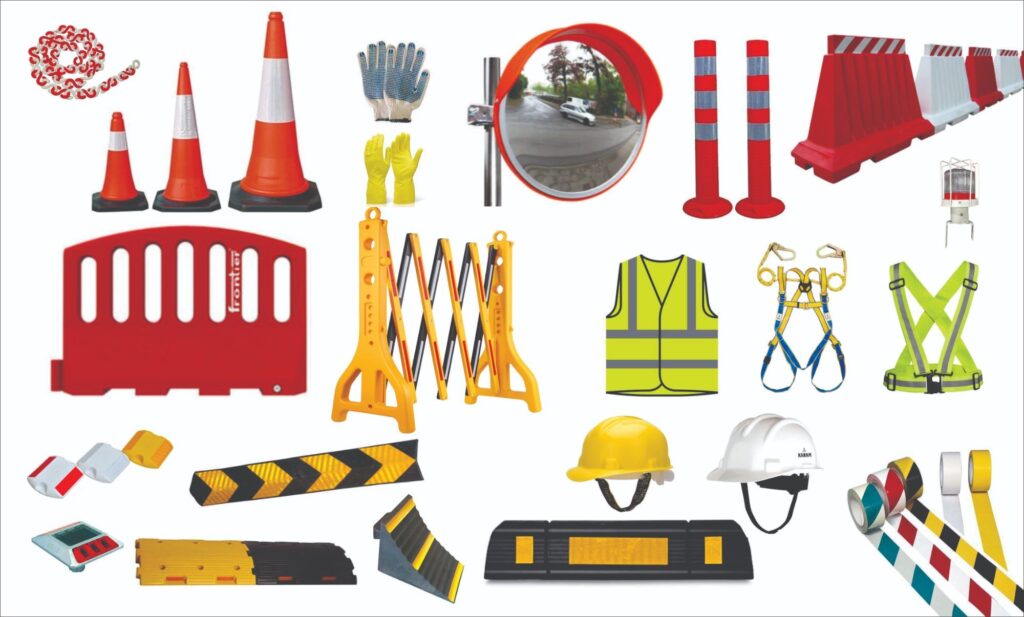
In today's fast-paced world, road safety has become more important than ever. With millions of vehicles on the road, both personal and commercial, it’s crucial to have the right measures in place to minimize accidents and save lives. Road safety products play a vital role in ensuring that drivers, pedestrians, and cyclists remain protected, particularly as road traffic continues to increase globally. These products are designed to enhance the safety of road users by preventing accidents, reducing their impact, and improving visibility. Flood Protection Barrier.

This article delves into the various road safety products available, their uses, and why they are essential in maintaining safer roads for everyone. From reflective vests to speed bumps and road signs, the landscape of road safety is diverse and continually evolving.

The Importance of Road Safety

Every year, road traffic accidents claim the lives of millions of people worldwide. According to the World Health Organization (WHO), road traffic accidents are among the leading causes of death, especially in developing countries. However, many of these accidents are preventable with the use of appropriate road safety products and measures.

To reduce the number of fatalities and injuries, governments, municipalities, and private companies have invested heavily in road safety products. These products include infrastructure tools like road signs and traffic lights, as well as personal safety gear like helmets and reflective clothing. Each product plays a critical role in enhancing road safety and promoting safer driving habits.

Essential Road Safety Products

  1. Reflective Gear and Clothing

Reflective vests, jackets, and armbands are some of the most basic yet essential road safety products, especially for pedestrians, cyclists, and construction workers. The reflective materials used in these garments help increase visibility, particularly in low-light conditions or during night-time activities.

For instance, a pedestrian walking on a dimly lit road at night is much more likely to be seen by drivers if they wear a reflective vest or jacket. Similarly, construction workers wearing reflective gear are more visible to drivers, reducing the risk of accidents in roadwork zones.

  1. Road Signs and Signals

Road signs and signals are essential tools for controlling traffic and providing drivers with important information about road conditions, speed limits, hazards, and detours. These signs are often made of durable materials that can withstand the elements while remaining visible to drivers.

There are numerous types of road signs, including:

  • Warning signs: Indicate potential hazards such as sharp turns, pedestrian crossings, or slippery roads.
  • Regulatory signs: Provide rules that drivers must follow, such as speed limits, stop signs, and yield signs.
  • Informational signs: Provide helpful information like directions, parking locations, and gas stations.

Proper placement and maintenance of road signs are crucial to ensuring they serve their purpose effectively. Clear, visible signs reduce confusion and make driving safer for everyone.

  1. Speed Bumps and Humps

Speed bumps, humps, and rumble strips are road safety products designed to control the speed of vehicles in certain areas. These products are commonly found in school zones, residential neighborhoods, and parking lots where reduced speed is necessary to protect pedestrians and cyclists.

Speed bumps and humps force drivers to slow down, reducing the likelihood of accidents in high-risk areas. Similarly, rumble strips are often placed along highways to alert drivers if they are drifting out of their lane or approaching a dangerous curve.

  1. Traffic Barriers and Guardrails

Traffic barriers and guardrails are designed to prevent vehicles from leaving the road in case of a loss of control. These safety features are typically placed along highways, bridges, and dangerous curves where there is a higher risk of accidents.

Guardrails work by absorbing the energy from a collision and redirecting the vehicle back onto the road. In some cases, traffic barriers can also prevent vehicles from crashing into dangerous areas, such as steep slopes or bodies of water.

  1. Pedestrian Crossings and Signals

Pedestrian safety is a critical aspect of road safety, especially in urban areas where foot traffic is heavy. Pedestrian crossings, combined with signals like walk/don’t walk lights, help protect pedestrians from accidents while crossing busy streets.

In many cities, crosswalks are painted with high-visibility markings that make it clear where pedestrians are allowed to cross. These crossings are often equipped with signals that alert drivers to stop when pedestrians are crossing, ensuring the safety of those on foot.

  1. Safety Helmets

While often associated with motorcyclists, safety helmets are essential for a variety of road users, including cyclists, skateboarders, and even pedestrians in some high-risk areas. Helmets are designed to protect the head in the event of an accident, reducing the severity of injuries and potentially saving lives.

Cyclists, for example, are at a higher risk of head injury in the event of a fall or collision. A properly fitted helmet can make a significant difference in protecting the brain from damage, and many countries have implemented laws requiring helmets for cyclists.

  1. Emergency Kits

Emergency road safety kits are crucial products that can help drivers and passengers in the event of an accident or breakdown. These kits typically contain essential items like first aid supplies, road flares, warning triangles, and even jumper cables.

Having an emergency kit on hand can be the difference between life and death in some situations. In the case of a breakdown or accident, road flares and warning triangles can alert other drivers to the hazard, reducing the risk of further accidents.

  1. Vehicle Safety Features

Modern vehicles come equipped with a variety of road safety features designed to protect the occupants in the event of an accident. Some of these features include airbags, anti-lock braking systems (ABS), electronic stability control (ESC), and collision warning systems.

Although these features are built into vehicles, they are considered part of the broader category of road safety products, as they work in conjunction with road infrastructure and safety gear to protect drivers and passengers.

  1. Parking Sensors and Cameras

Parking sensors and cameras are increasingly common in modern vehicles, helping drivers navigate tight spaces and avoid collisions when parking. These products use sensors to detect nearby obstacles and alert the driver to potential hazards.

Parking cameras, often displayed on the vehicle’s dashboard or rearview mirror, provide a visual representation of the area behind the vehicle, giving the driver a better understanding of their surroundings.

The Role of Technology in Road Safety

Advancements in technology are continuously shaping the landscape of road safety products. For example, intelligent traffic management systems use sensors and cameras to monitor traffic flow, detect accidents, and adjust traffic lights in real-time to alleviate congestion.

Moreover, vehicle-to-vehicle (V2V) communication technology is making it possible for vehicles to communicate with each other and share information about road conditions, hazards, and traffic. This technology has the potential to reduce accidents by alerting drivers to dangers ahead.

The Future of Road Safety

As the world continues to urbanize, the need for effective road safety products will only grow. Governments and private organizations will need to continue investing in innovative solutions to ensure the safety of all road users. Smart traffic systems, autonomous vehicles, and improved road designs are just a few of the exciting advancements on the horizon.

Additionally, increased awareness about road safety will encourage the adoption of safer driving practices and the use of personal protective equipment like helmets and reflective clothing. Educational campaigns and road safety programs will play an essential role in spreading awareness and promoting safer habits on the road.

Conclusion

Road safety products are essential tools in reducing accidents and saving lives. From reflective vests to traffic barriers, these products provide crucial protection for drivers, pedestrians, cyclists, and construction workers. As technology advances, the future of road safety products looks promising, with innovations that promise even greater levels of protection and efficiency. By prioritizing road safety, society can make significant strides in reducing fatalities and injuries on the road.

 

20 GREAT TIPS FOR DECIDING ON AI TRADING20 GREAT TIPS FOR DECIDING ON AI TRADING

10 Tips For Evaluating The Quality Of Data And Sources In An Ai Stock Trading Predictor
When using an AI predictor is crucial to assess data quality and source. The quality and reliability of data can have a direct effect on the accuracy of predictions. Here are 10 top tips on how to evaluate data sources and quality.
1. Check data accuracy, completeness and accuracy
What’s the reason? Accurate and thorough information is the foundation for creating reliable models.
How to check the accuracy by checking data against numerous reliable sources (e.g. exchanges or financial databases). Make sure that all information is included, particularly for metrics that have a brief time frame.

2. Accuracy of data and frequency are crucial to take into consideration
The reason: Stock markets can be highly fluid. Data that is outdated could result in outdated predictions.
How: Confirm that your data is updated in real time or at a rate that fits your trading strategy. In the case of high-frequency trading, or intraday trading, second-bysecond data might be required. However, for long-term models, daily or weekly updates might suffice.

3. Check the credibility of the source and reliability
Why? The use of reliable sources lowers the possibility of using inaccurate or biased information that can alter forecasts.
How to use data that comes from trusted sources (e.g., Bloomberg, Reuters, NASDAQ) and avoid sources with potential biases. Verify that the sources are widely known and are able to demonstrate quality control measures.

4. Make sure that there is consistency across sources.
Unsympathetic information can create confusion and reduce the accuracy of predictive models.
Compare data from different sources to determine if there is alignment. If one source is consistently off, look for possible issues, like different methods of calculation or data collection techniques.

5. Identify data granularity and scope
Why: Achieving the right granularity, scope and detail makes sure that data is recorded without unnecessary noise.
What should you do: Ensure that the data granularity matches your forecast time horizon. For instance, if you are predicting daily prices, daily granularity is usually sufficient; however high-frequency trading models could require tick-level data. Check that the model’s scope includes relevant variables (e.g. price of stock volume, price, and economic indicators).

6. Review historical data coverage
Why is this? Accurate historical data allows for robust model training and dependable backtesting.
How to verify historical data that spans multiple market cycles including bull flat, bear, and flat markets. This allows the model adapt to changing conditions.

7. Make sure you are aware of the standards for data processing.
Why: Raw datasets can be prone to inconsistencies, noise or outliers that affect the model’s performance.
How: Examine how data was cleaned and normalized. Also, examine how data has been transformed. This includes strategies to deal with missing data, outliers, or any other changes. A reliable preprocessing process helps models to learn relevant patterns without being influenced by data errors.

8. Make sure to ensure Regulatory Compliance
Why is this? Because data that is not compliant can cause legal problems and fines.
How do you ensure that the information is in line with relevant laws (e.g. GDPR in Europe or SEC regulations in America). Make sure that all proprietary information is licensed properly and privacy-sensitive information is tamper-proofed.

9. Check Data Accessibility and Latency
What’s the reason? In real-time trade small delays could be detrimental to the speed of transactions and profits.
How do you determine the time it takes to process data (the delay from source to model) and make sure that it is compatible with the trading frequency you’re using. It is crucial to determine how easily the data can be accessed and whether this data can be seamlessly integrated into the AI prediction.

10. Take a look at alternative information for added insights
Why do alternative data (like sentiment from the news social media, or web traffic) adds predictive power to traditional data
How do you evaluate alternative data sources that may enhance the insight of your model. Ensure that these sources are also high-quality, reliable, and in line with your predictor’s input format and model architecture.
Following these suggestions, you will be able to assess the data quality and source of any AI forecasting model for trading stocks. This will allow you to avoid common errors and ensure that the model is reliable. Have a look at the top rated more for ai stocks for site recommendations including buy stocks, buy stocks, stock market online, market stock investment, stocks for ai, ai stock trading, ai trading software, artificial intelligence stocks, incite ai, stocks and investing and more.

10 Tips For Assessing Alphabet Stock Index Using An Ai Stock Trading Predictor
Alphabet Inc.’s (Google’s) stock performance can be predicted by AI models that are based on a thorough understanding of the economic, business, and market variables. Here are ten top tips to evaluate Alphabet Inc.’s stock efficiently using an AI trading system:
1. Alphabet Business Segments: Understand the Diverse Segments
What is the reason: Alphabet operates in multiple industries that include search (Google Search), advertising (Google Ads), cloud computing (Google Cloud) as well as hardware (e.g., Pixel, Nest).
How to: Be familiar with the revenue contributions for each segment. Knowing the drivers for growth in these sectors aids AI forecast the stock’s overall performance.

2. Incorporate Industry Trends as well as Competitive Landscape
Why: Alphabet’s performance is influenced by changes in the field of digital marketing, cloud computing and technology innovation as well as competitors from companies such as Amazon and Microsoft.
What should you do to ensure whether the AI models analyze relevant industry trend, like the growth of online ads as well as cloud adoption rates and changes in the customer’s behavior. Also, consider the performance of competitors as well as market share dynamics to get an accurate picture.

3. Earnings Reports The Critical Analysis
Why: Earnings announcements can cause significant price swings, especially for growth companies like Alphabet.
How: Check Alphabet’s quarterly earnings calendar, and analyze how previous results and guidance affect the stock’s performance. Also, consider analyst expectations when assessing the outlook for future earnings and revenue.

4. Utilize indicators of technical analysis
Why? Technical indicators can identify price patterns, reversal points and even momentum.
How to incorporate analytical tools like moving averages, Relative Strength Indexes (RSI), Bollinger Bands and so on. into your AI models. These can give valuable insight into determining the right moment to purchase and sell.

5. Macroeconomic Indicators
What’s the reason: Economic conditions such as inflation, interest rates, and consumer spending have a direct impact on Alphabet’s overall performance and ad revenue.
How: Incorporate relevant macroeconomic indicators into the model, for example consumption indicators, and unemployment rates to increase the accuracy of predictions.

6. Implement Sentiment Analysis
The reason: Stock prices can be affected by market sentiment, particularly in the technology industry in which public opinion and news are major variables.
How do you analyze sentiments from news articles as well as social media platforms, as well as investor reports. The AI model can be augmented by including sentiment data.

7. Monitor for Regulatory Developments
The reason: Alphabet faces scrutiny from regulators on antitrust concerns privacy and data security, which could influence the stock’s performance.
How: Stay updated on relevant legal and regulatory changes that could affect the business model of Alphabet. Be sure to consider the possible effects of regulatory actions when predicting changes in the stock market.

8. Testing historical data back to confirm it
The reason: Backtesting lets you to verify the AI model’s performance by comparing it to the past price fluctuations and other important events.
How to use historic Alphabet stocks to backtest the predictions of the model. Compare the predicted results with actual results to assess the model’s accuracy and reliability.

9. Monitor execution metrics in real-time
The reason: Efficacious execution of trades is essential to the greatest gains, particularly in volatile stocks such as Alphabet.
How to monitor real-time execution parameters like slippage and fill rates. How well does the AI model predict optimal entry- and exit-points for trades with Alphabet Stock?

10. Review Strategies for Risk Management and Position Sizing
What is the reason? Risk management is essential to protect capital. This is particularly the case in the volatile tech industry.
How to ensure the model includes strategies for position sizing and risk management based upon Alphabet’s stock volatility and overall portfolio risk. This approach helps mitigate potential losses while also maximizing the profits.
These tips will help you evaluate the AI prediction of stock prices’ ability to assess and predict Alphabet Inc.’s stock movements and to ensure that it remains up-to-date and accurate in the evolving market conditions. Read the top rated investing in a stock info for website info including best stocks for ai, best ai stocks, chart stocks, investment in share market, ai stocks, ai copyright prediction, best ai stocks, best ai stocks to buy now, ai stock picker, ai share price and more.

Traditional Ramadan Table Setting Ideas with a Contemporary TwistTraditional Ramadan Table Setting Ideas with a Contemporary Twist

Ramadan, the holy month of fasting and spiritual reflection for Muslims, is a time for family, community, and prayer. During this sacred month, Muslims fast from dawn until sunset, dedicating their time to worship, self-discipline, and charitable acts. As the day’s fast comes to an end, the iftar meal becomes a moment of joy and unity. The table where the family gathers to break their fast holds significant meaning, not just as a place to eat but also as a focal point for love, tradition, and celebration.

Wedding gift is more than just an aesthetic choice—it is a way of creating an inviting, peaceful, and spiritually uplifting atmosphere for the family and guests. The decorations set the tone for the evening meal, enhance the spirit of Ramadan, and encourage mindfulness. Whether you’re hosting a grand iftar gathering or a simple family dinner, decorating the table thoughtfully can transform an ordinary meal into a memorable and meaningful experience.

The Significance of Table Decoration in Ramadan

In many cultures, the iftar meal is more than just a time to eat; it is a time for families to come together and share stories, prayers, and laughter. During Ramadan, the iftar table often becomes the centerpiece of the evening, symbolizing both the end of the fast and the unity of the community. A beautifully decorated Ramadan table can enhance the sense of sacredness, making the gathering feel more special and intentional.

Table decorations during Ramadan often reflect themes of spirituality, peace, unity, and gratitude. As the month is filled with devotion and worship, the decor serves as a reminder of the sacredness of the occasion. Whether simple or elaborate, Ramadan table decorations can be a way to showcase personal faith, express gratitude, and celebrate the beauty of this blessed month.

Key Elements of Ramadan Table Decoration

When considering how to decorate your Ramadan table, there are several key elements to keep in mind. From colors and textiles to centerpieces and lighting, each element contributes to creating a warm, inviting, and serene atmosphere.

1. Color Palette: Soft and Reflective Tones

Colors play a pivotal role in setting the mood for Ramadan. During this holy month, shades that evoke peace, serenity, and spirituality are preferred. Common colors include:

  • Gold and Silver: These colors represent luxury and elegance, and they also symbolize light, which holds significant meaning during Ramadan. Gold accents can add a touch of warmth and richness to the table.
  • Green: Often associated with Islam, green symbolizes growth, renewal, and paradise. It is a color that conveys peace and harmony.
  • White: White is a symbol of purity and simplicity. It represents the essence of Ramadan, which is about purity of soul and closeness to Allah.
  • Blue: Soft, calming shades of blue reflect tranquility and peace, making them an ideal choice for a peaceful dining experience.

By using these colors in your tablecloths, napkins, dishes, and centerpieces, you create a calming and reflective atmosphere for breaking the fast.

2. Lighting: Creating a Soft, Cozy Glow

Lighting plays an essential role in Ramadan table decoration, setting the tone for the meal. As Ramadan occurs during the night, lighting choices should be soft and warm to create an intimate, tranquil environment. Here are some lighting ideas:

  • Candles: The flicker of candles is symbolic of light and guidance, reminding Muslims of the divine light during this holy time. Lantern-style candles or traditional oil lamps can be used to add a touch of elegance and tradition to your table.
  • Fairy Lights: Stringing fairy lights around the table or above it can create a magical, warm atmosphere. They add a sense of joy and celebration, perfect for the spirit of Ramadan.
  • Lanterns: Decorative lanterns, especially those with intricate designs, have deep cultural significance in many Muslim-majority countries. These can be placed as centerpieces or hung around the table to enhance the ambiance.

3. Tableware: Elegant and Practical

The right tableware is crucial in setting a beautiful and functional iftar table. During Ramadan, tableware should reflect both elegance and practicality. Here are some tips:

  • Charger Plates: A charger plate, which is placed underneath the dinner plate, adds a touch of elegance. You can choose metallic plates in gold, silver, or bronze for a luxurious feel.
  • Traditional Glassware: Using glasses that are decorated with Arabic calligraphy or intricate patterns can enhance the table’s aesthetic and add a personal touch. Opt for glassware with elegant lines or colored accents to complement the rest of the decor.
  • Serving Platters and Bowls: Ramadan tables are often filled with a variety of foods, so using decorative platters and bowls can add a sense of grandeur and practicality. Choose platters with intricate designs or traditional motifs to create a festive atmosphere.

4. Table Linens: Soft Fabrics for Comfort

Table linens are an important part of setting the scene. Soft, luxurious fabrics can enhance the comfort of the dining experience and make the table feel more inviting. Consider using:

  • Tablecloths: Opt for a tablecloth that complements the colors and overall theme of the table. Fabrics like linen or cotton work well and offer a clean, polished look.
  • Napkins: Cloth napkins in rich tones like gold, silver, or deep green can be folded into intricate designs or placed in napkin rings to elevate the table's elegance.
  • Table Runners: A table runner in a contrasting color or a material like satin can add texture and depth to the table. It helps break up the solid color of the tablecloth and draws attention to the center of the table.

5. Centerpieces: Meaningful and Beautiful

The centerpiece of a Ramadan table is where all eyes will be drawn. It should reflect the themes of the holy month—spirituality, unity, and gratitude. Here are some ideas for stunning Ramadan centerpieces:

  • Dates and Water: Dates are a symbol of the first food to break the fast, and water is essential to replenish the body. Displaying a beautiful bowl of dates and a water jug can act as a simple yet meaningful centerpiece.
  • Fresh Flowers: Use fresh flowers like white lilies or roses to symbolize purity and beauty. These can be placed in elegant vases or bowls to brighten the table.
  • Islamic Calligraphy: A small piece of Islamic calligraphy or a Quran verse can be placed as the focal point of the table. This adds a spiritual element that reminds everyone of the purpose of Ramadan.
  • Crescent Moon and Stars: These symbols are widely recognized during Ramadan. Using moon and star decorations can represent the lunar calendar and the special significance of the month.

6. Sweets and Desserts: A Sweet Finish

No Ramadan table is complete without a variety of sweets and desserts. In many Muslim cultures, special Ramadan treats are prepared to celebrate the end of the fast. Incorporate these treats into the table design by placing them in beautiful dishes, such as:

  • Baklava: The rich, flaky layers of baklava can be placed in an ornate dish to add both flavor and elegance.
  • Kunafa: This popular dessert can be served in small, individual portions to enhance the table’s aesthetic while offering a delicious end to the meal.
  • Fruit Platters: Fresh fruit, especially melons, berries, and pomegranates, offer a refreshing end to the meal. Arrange them artfully on a large platter.

7. Personal Touches: Creating a Welcoming Atmosphere

Personalizing your Ramadan table is a wonderful way to make guests feel special and appreciated. Simple touches like:

  • Place Cards: Place cards with the names of your guests can add an intimate and thoughtful element to your table. You can write a short prayer or a Quran verse on each card to add a spiritual touch.
  • Gift Bags: Small gift bags or favors containing items like prayer beads, miniature Qurans, or even a few dates are a thoughtful gesture to send guests home with a keepsake of the evening.

Conclusion

Ramadan table decoration is an expression of love, gratitude, and faith. By thoughtfully selecting colors, lighting, tableware, and meaningful decorations, you can create a warm, inviting, and spiritually uplifting atmosphere for family and friends to enjoy. Whether you choose a simple, elegant style or an elaborate, festive design, the goal is to enhance the feeling of togetherness, unity, and reflection that defines the holy month of Ramadan.


Understanding the Scope of MEP Design Consulting ServicesUnderstanding the Scope of MEP Design Consulting Services

Mechanical, Electrical, and Plumbing (MEP) design consultants are the unsung heroes behind modern building systems. Their work ensures structures function seamlessly, integrating the critical infrastructure that powers, ventilates, and sustains them. Whether it's designing HVAC systems, ensuring proper electrical circuits, or crafting efficient plumbing networks, MEP consultants play a pivotal role in building design and functionality. building services consultants.

This article delves into the world of MEP design consultants, exploring their roles, benefits, tools, challenges, and trends that are shaping the future of this vital industry.


Who Are MEP Design Consultants?

MEP design consultants specialize in creating and optimizing mechanical, electrical, and plumbing systems in buildings. They collaborate with architects, engineers, and contractors to ensure that all infrastructure elements align seamlessly, delivering efficient and sustainable solutions.

Their expertise spans various domains:

  • Mechanical Systems: HVAC systems, air quality control, and thermal comfort.
  • Electrical Systems: Power distribution, lighting design, renewable energy integration, and fire alarms.
  • Plumbing Systems: Water supply, drainage, irrigation, and gas piping.


Key Roles and Responsibilities

The responsibilities of MEP consultants go far beyond basic system design. Their expertise ensures a building’s overall functionality, safety, and energy efficiency. Some of their key roles include:

  1. System Design and Layout: Crafting detailed layouts for HVAC, electrical wiring, and plumbing systems that comply with building codes and standards.
  2. Energy Efficiency Optimization: Recommending sustainable solutions, such as solar panels, energy-efficient HVAC systems, and low-flow plumbing fixtures.
  3. Coordination with Stakeholders: Collaborating with architects, structural engineers, and contractors to integrate systems without conflicts.
  4. Compliance with Regulations: Ensuring designs adhere to local, national, and international building codes.
  5. Project Management: Overseeing the implementation of MEP systems during construction and post-installation testing.


Benefits of Engaging MEP Design Consultants

Hiring an MEP design consultant can be transformative for construction projects. The benefits include:

  1. Enhanced Efficiency: Properly designed systems reduce energy consumption and operational costs.
  2. Reduced Construction Delays: Consultants anticipate potential clashes between different systems and resolve them during the design phase.
  3. Improved Comfort and Safety: Well-designed HVAC and lighting systems enhance occupant comfort, while fire alarms and proper plumbing systems ensure safety.
  4. Sustainability: By incorporating green technologies, MEP consultants help reduce a building’s carbon footprint.
  5. Cost Savings: Strategic planning prevents costly errors and optimizes material use.


Technological Advancements in MEP Design

The MEP industry has witnessed significant technological evolution. Modern tools and software streamline design processes, improve accuracy, and enable sustainable solutions.

  1. Building Information Modeling (BIM)
    BIM software allows MEP consultants to create detailed 3D models of building systems, fostering collaboration and detecting design clashes early.
  2. Energy Simulation Software
    Tools like EnergyPlus and eQuest simulate building performance to optimize energy efficiency.
  3. IoT Integration
    IoT-enabled systems provide real-time monitoring and predictive maintenance for HVAC, lighting, and plumbing systems.
  4. Renewable Energy Technologies
    MEP consultants are incorporating solar panels, wind turbines, and geothermal systems to create net-zero buildings.


Challenges Faced by MEP Design Consultants

Despite technological advancements, MEP design consultants face several challenges:

  1. Rapid Technological Changes: Keeping up with emerging technologies and integrating them into existing frameworks can be daunting.
  2. Budget Constraints: Clients often have limited budgets, which can restrict the adoption of innovative solutions.
  3. Regulatory Compliance: Adhering to constantly evolving building codes requires meticulous attention to detail.
  4. Interdisciplinary Coordination: Collaborating with multiple stakeholders and resolving conflicts can delay project timelines.
  5. Sustainability Goals: Balancing cost-effectiveness with the demand for green building solutions requires creativity and expertise.


The Growing Importance of Sustainability in MEP Design

Sustainability has become a cornerstone of modern construction, and MEP consultants are at the forefront of this movement.

  1. Energy-Efficient HVAC Systems
    MEP consultants are designing systems with variable refrigerant flow (VRF) technology and heat recovery solutions to optimize energy use.
  2. Water Conservation
    Innovations such as greywater recycling, rainwater harvesting, and low-flow fixtures are increasingly integrated into plumbing designs.
  3. Renewable Energy Integration
    Solar photovoltaic systems, wind energy, and battery storage solutions are becoming standard components of building designs.
  4. Smart Buildings
    IoT devices and smart meters help monitor and optimize energy consumption in real time, reducing waste and enhancing performance.


Industries Served by MEP Design Consultants

MEP consultants cater to a diverse range of industries, each with unique requirements:

  1. Residential Projects: Apartments, luxury villas, and housing complexes.
  2. Commercial Spaces: Office buildings, shopping malls, and entertainment hubs.
  3. Healthcare Facilities: Hospitals, clinics, and laboratories with strict HVAC and plumbing standards.
  4. Industrial Units: Factories, warehouses, and manufacturing plants requiring specialized systems.
  5. Educational Institutions: Schools, universities, and research centers focusing on comfort and safety.


How to Choose the Right MEP Design Consultant

Selecting a qualified MEP design consultant is critical for the success of your project. Here are some factors to consider:

  1. Experience: Look for consultants with a proven track record in your industry.
  2. Certifications: Verify their credentials and familiarity with relevant building codes and standards.
  3. Technological Proficiency: Ensure they use advanced tools like BIM and energy simulation software.
  4. References: Seek testimonials and case studies from past clients.
  5. Cost Transparency: Opt for consultants who provide detailed and transparent cost estimates.


The Future of MEP Design

The future of MEP design is promising, driven by technological innovation and growing demand for sustainability. Emerging trends include:

  1. Net-Zero Energy Buildings
    Buildings that generate as much energy as they consume will become the norm, driven by renewable energy and efficient design.
  2. AI and Machine Learning
    AI tools will analyze data to optimize system performance and predict maintenance needs.
  3. Advanced Materials
    Innovative materials, such as phase-change materials for HVAC systems, will enhance efficiency and reduce costs.
  4. Decentralized Systems
    Localized power generation and water recycling systems will reduce dependency on centralized infrastructure.


Conclusion

MEP design consultants are integral to modern construction, ensuring that buildings are efficient, sustainable, and safe. Their expertise in integrating mechanical, electrical, and plumbing systems enables seamless functionality and long-term cost savings.

As technology evolves and sustainability becomes a global priority, MEP consultants will continue to revolutionize building systems, creating smarter, greener, and more efficient spaces. For anyone embarking on a construction project, investing in a skilled MEP design consultant is a step toward ensuring the success and longevity of the structure.