Mdhuj Jatulislam Digital Marketing Продвижение в сети: лучшие методы для сайтов, Telegram и ВКонтакте

Продвижение в сети: лучшие методы для сайтов, Telegram и ВКонтакте

Продвижение в сети стало неотъемлемой частью маркетинга для бизнеса, стремящегося быть заметным в цифровом пространстве. В условиях растущей конкуренции и быстрого развития онлайн-платформ важно грамотно выбрать методы продвижения для различных ресурсов, таких как сайты, Telegram и ВКонтакте. Каждый из этих каналов имеет свои особенности, и подходы к продвижению должны быть адаптированы с учетом аудитории и функционала каждой платформы.

Для продвижения сайтов одним из ключевых методов остается поисковая оптимизация (SEO). Она включает в себя работы по улучшению видимости сайта в поисковых системах. Это может быть как техническая оптимизация (ускорение загрузки страниц, улучшение структуры сайта), так и создание качественного контента, который будет привлекать пользователей. Важно не только правильно подобрать ключевые слова, но и следить за обновлениями алгоритмов поисковых систем, чтобы сайт всегда оставался на плаву. Для достижения хороших результатов в SEO необходимо также активно работать с внешними ссылками и повышать авторитет сайта с помощью партнерств и публикаций в авторитетных ресурсах.

Telegram, в свою очередь, является отличным инструментом для прямой коммуникации с аудиторией. Этот мессенджер идеально подходит для создания каналов и групп, где можно размещать полезную информацию, новости, а также вести обсуждения с подписчиками. Для продвижения в Telegram важно работать с контентом, который будет интересен вашей аудитории, а также активно взаимодействовать с подписчиками. Важно не только привлекать людей в канал, но и удерживать их, предоставляя качественные и уникальные материалы, которые будут побуждать к взаимодействию. Кроме того, можно использовать таргетированную рекламу и сотрудничество с другими каналами, чтобы увеличить аудиторию.

ВКонтакте продолжает оставаться одной из самых популярных социальных сетей в России, и продвижение в этой платформе также требует особого подхода. ВКонтакте позволяет создавать различные типы контента, от текстов и фото до видеороликов и прямых трансляций. Для эффективного продвижения необходимо учитывать алгоритмы сети, которые поощряют активность пользователей. Регулярность публикаций, создание интересных постов, использование хештегов и вовлеченность пользователей через комментарии и репосты играют ключевую роль. Также ВКонтакте предоставляет инструменты для таргетированной рекламы, которые позволяют точно настроить кампании под нужную аудиторию, будь то по интересам, географическому положению или возрасту.

Вне зависимости от платформы, важно помнить, что продвижение в сети требует времени и последовательности. Комплексный подход, включающий SEO для сайтов, качественный контент для https://t.me/s/PortableSMM_telegram и активное взаимодействие с пользователями в ВКонтакте, поможет создать устойчивое присутствие и привлечь заинтересованных пользователей.

Leave a Reply

Your email address will not be published. Required fields are marked *

Related Post

What Is Api In Package Development?What Is Api In Package Development?

In the fast-paced earth of, there s an unseen force softly orchestrating how applications pass, share data, and deliver smooth user experiences. That wedge is the API a unsounded powerhouse that determines whether your front-runner app integrates effortlessly with another or collapses into a tangled mess of repugnance. Imagine a digital bridge over, meticulously engineered to connect systems that otherwise speak entirely different languages.

Without it, innovation would dilly-dally, efficiency would fall apart, and the reticular integer ecosystem we rely on would plainly not exist. Yet, APIs are often unnoted, tucked away in the background, quietly empowering businesses to scale, automatize, and innovate at lightning hurry. The truth is, understanding APIs is no thirster elective; it s a essential for anyone serious about growing in the Bodoni font best construction erp landscape. Mastering this construct can unlock aggressive advantages, tighten development time, and open doors to bottomless integration opportunities.

So, if you ve ever wondered how apps like Uber pull in maps, how e-commerce sites process payments, or how businesses streamline operations across binary platforms, the do lies here. It s time to pull back the curtain and explore what makes APIs the lifeblood of Software Development in nowadays s digital era.

What Is an API?

API stands for Application Programming Interface. At its core, an API is a set of rules and protocols that allow different software components to put across with each other. Think of it as a server in a eating house. The customer(your application) makes a bespeak, the waiter(the API) takes that request to the kitchen(the system of rules or server), and then delivers the equipt dish(the response) back to you.

In software package , APIs act as intermediaries, defining how requests and responses should be structured. This ensures that two different programs, regardless of how they re built, can work together seamlessly.

Why Are APIs Important in Software Development?

APIs are the glue retention the integer ecosystem together. Here s why they matter:

  1. Interoperability APIs allow different software package systems to pass without requiring extensive rewrites or modifications.

  2. Efficiency Developers don t have to reinvent the wheel. With APIs, they can purchase existing functionality instead of edifice everything from strike.

  3. Scalability Businesses can scale faster by integrating new services and features via APIs.

  4. Innovation APIs promote collaborationism and experiment. Startups and enterprises likewise can establish on existing systems.

  5. User Experience APIs superpowe smoothen, organic experiences like social media logins, defrayal gateways, and real-time notifications.

Types of APIs in Software Development

APIs come in many flavors, each designed for specific purposes. Let s wear out them down:

1. Open APIs(Public APIs)

These are available to any . Companies often cater them to further third-party . Example: Twitter s API, which allows apps to bring tweets or post on behalf of users.

2. Internal APIs(Private APIs)

These are used within a company. They internal systems and services, ensuring data flows smoothly without exposing functionality to outsiders.

3. Partner APIs

These are distributed with strategic business partners. For example, a defrayal provider might partake an API with elite e-commerce companies.

4. Composite APIs

These unite ten-fold services or data sources into one API call, reducing the need for multiplex requests.

How Do APIs Work?

To empathize API in software development, it helps to see how they run under the hood:

  1. Request A node(such as a web browser or Mobile app) sends a request through the API.

  2. Processing The API interprets the quest and communicates with the waiter.

  3. Response The waiter processes the data and sends back the requested entropy through the API.

For example, when you book a fledge online, the booking site uses APIs to check airline databases for available seating area, prices, and schedules. Without APIs, you d need to manually call each airway.

Common Protocols and Standards in APIs

APIs watch over particular protocols to control consistency and dependability. Here are the most common:

REST(Representational State Transfer)

The most wide used standard. REST APIs use HTTP methods like GET, POST, PUT, and DELETE to do trading operations.

SOAP(Simple Object Access Protocol)

An older, XML-based communications protocol that is more strict but extremely secure and organized.

GraphQL

Developed by Facebook, GraphQL allows clients to quest exactly the data they need nothing more, nothing less.

gRPC

A high-performance framework using HTTP 2. It s popular in microservices architectures.

Real-World Examples of APIs

APIs are everywhere in our digital lives:

  • Google Maps API: Enables apps to maps, routes, and geolocation services.

  • Stripe API: Powers online payments for millions of websites.

  • Facebook Graph API: Lets developers integrate Facebook features into their apps.

  • Spotify API: Provides get at to music data, playlists, and streaming functionalities.

  • Weather APIs: Allow apps to real-time brave updates.

These examples foreground the crucial role of API in software system in formation integer products.

Benefits of APIs in Software Development

  1. Speed Faster development cycles through reuse of present services.

  2. Cost-Effectiveness Reduces costs by leverage third-party functionality.

  3. Consistency Standardized interfaces improve dependability.

  4. Security APIs can limit access to certain data and enforce hallmark.

  5. Ecosystem Growth Companies can establish ecosystems around their APIs, fostering design.

Challenges of APIs in Software Development

Despite their advantages, APIs also present challenges:

  • Security Risks Poorly premeditated APIs can let on medium data.

  • Versioning Issues Updating APIs without break existing integrations can be unruly.

  • Dependency Risks Relying on third-party APIs can cause problems if the provider changes price or discontinues support.

  • Complexity Managing duple APIs across a big see requires strong governance.

Best Practices for Working with APIs

  1. Clear Documentation Comprehensive support ensures developers can use the API effectively.

  2. Authentication Authorization Implement OAuth, API keys, or tokens to secure get at.

  3. Rate Limiting Prevent misuse and ensure fair usage.

  4. Error Handling Provide clear error messages for electric sander debugging.

  5. Versioning Maintain backwards compatibility when emotional updates.

APIs and Microservices

In the era of cloud over-native applications, APIs and microservices go hand in hand. Microservices architecture breaks down applications into little, mugwump services that put across via APIs. This makes systems more ascendable, resilient, and easier to maintain.

For example, an e-commerce platform might have microservices for product catalog, user accounts, payments, and transport all talk to each other through APIs.

Why Are APIs Important in Software Development?

0

APIs carry on to germinate with new technologies:

  • AI-Powered APIs Allow integration of machine erudition and natural language processing.

  • IoT APIs Connect ache devices across homes, cities, and industries.

  • Blockchain APIs Enable secure, localised applications.

  • Low-Code No-Code APIs Simplify development for non-technical users.

As integer shift accelerates, API in software package development will only become more vital.

Why Are APIs Important in Software Development?

1

APIs are more than just technical foul tools they re the connectors of the digital universe of discourse. They enable unlined between applications, speed invention, and major power the whole number products we use every day. Whether it s booking a flight, cyclosis medicine, or making an online defrayal, APIs are workings behind the scenes.

For developers, mastering API in computer software development is not optional it s necessary. For businesses, APIs unlock new opportunities for increase, partnerships, and client experiences. And for routine users, APIs ensure that our digital lives continue smooth over, integrated, and futurity-ready.

So, the next time your front-runner apps talk to each other, think of: it s the humiliate API making it all possible.


The SIM Card: A Small Chip With a Big Impact on CommunicationThe SIM Card: A Small Chip With a Big Impact on Communication

In the era of instant messaging, social media, and 5G networks, the mobile phone has become one of the most powerful and indispensable tools in modern life. While most people are familiar with their smartphones, the small chip that helps connect those devices to the world often goes unnoticed. This humble, yet crucial, component is the SIM card (Subscriber Identity Module). Despite its small size, the SIM card is a key element in mobile technology, enabling communication, security, and global connectivity.

What is a SIM Card?

A SIM card is a small chip that fits into your mobile phone and connects it to your mobile carrier's network. It serves as a unique identifier, allowing the network to recognize the user and provide access to its services, including voice calls, text messaging, and mobile data. Without the SIM card, your phone wouldn't be able to access cellular networks or function as a communication device.

At its core, the SIM card contains essential information that makes it possible for your device to connect to a mobile network. This includes:

  • Your phone number: Assigned by your carrier.
  • Authentication keys: Used for secure communication with the network.
  • IMSI (International Mobile Subscriber Identity): A unique identifier that tells the network who you are and which carrier you belong to.
  • Service provider settings: Details that help configure the device to use the correct network and services.

The Origins of the SIM Card

The first SIM card was introduced in the early 1990s alongside the GSM (Global System for Mobile Communications) network, a revolutionary standard for mobile communication. Before SIM cards, mobile phones were locked to specific carriers, and switching phones or providers was a difficult, if not impossible, task. The SIM card made it possible to remove a small piece of hardware and swap it into another device, thus offering portability and flexibility for mobile phone users.

The concept of the SIM card was designed to address the need for a universal and portable means of connecting to mobile networks, regardless of the device. This small chip provided an identity to the user, and as mobile phones evolved, the role of the SIM card only grew more significant.

The Different Types of SIM Cards

As mobile technology advanced, so did the design of SIM cards. Over time, the size and features of SIM cards were optimized to meet the demands of newer, smaller devices. The most common types of SIM cards include:

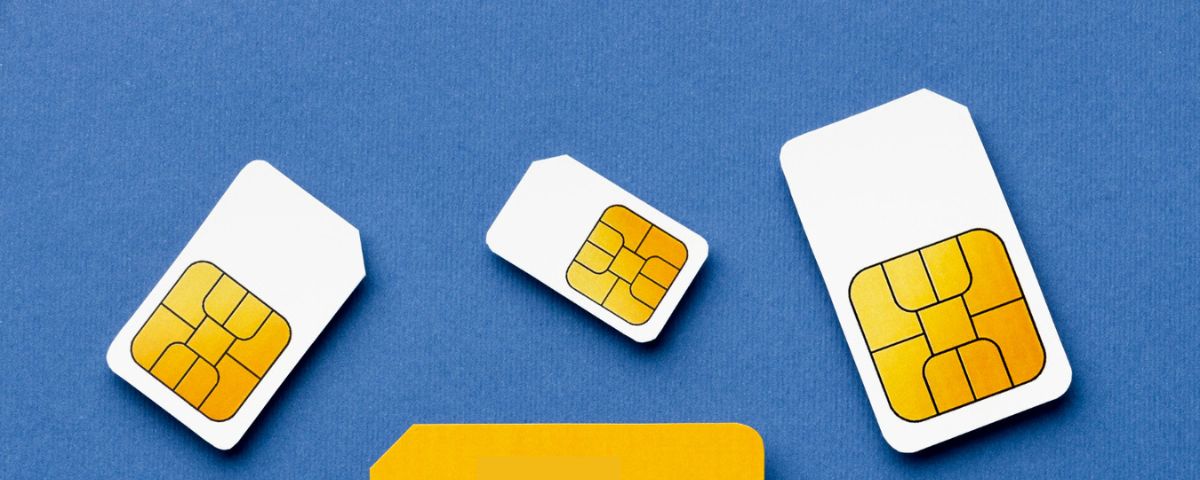
  1. Standard SIM: The original, larger form of the SIM card (25mm x 15mm), used in early mobile phones. While it is largely obsolete today, it is still found in older devices.

  2. Micro SIM: Smaller than the standard SIM, measuring 15mm x 12mm, this version was introduced to accommodate the thinner designs of modern smartphones. It’s still used in some devices, but newer models have largely moved on.

  3. Nano SIM: The smallest version of the SIM card, measuring just 12.3mm x 8.8mm. Most current smartphones, including the iPhone, Android devices, and others, now use nano SIMs due to their small size.

  4. eSIM: The embedded SIM (eSIM) is a newer innovation in the world of SIM cards. Unlike traditional SIM cards that can be physically swapped out, eSIMs are integrated directly into a device’s hardware. This digital SIM allows users to switch carriers and activate service plans remotely through software, eliminating the need to physically handle SIM cards.

How SIM Cards Work: A Simple Process

Despite their complexity, the process by which SIM cards work is relatively straightforward. Here's how they facilitate mobile communication:

  1. Authentication: When you power on your device, the SIM card communicates with the mobile carrier's network. It sends the IMSI (International Mobile Subscriber Identity) to authenticate your device on the network. The network verifies that your SIM is authorized to access the services, such as voice calls, data, and text messaging.

  2. Voice and Data Transmission: Once authenticated, the SIM card allows your phone to send and receive calls and data. Your device uses the SIM card to connect to the nearest base station or cell tower, which then forwards your communication to the carrier’s network.

  3. Encryption: The SIM card also plays a role in securing your communication. It stores encryption keys that are used to protect the data sent over the mobile network. This ensures that calls, messages, and other forms of communication are secure and private.

  4. Roaming and Global Connectivity: 數據漫遊 s also facilitate roaming – the ability to use your phone when traveling abroad. Many SIM cards are designed to automatically detect when you’ve moved to a different region or country, and they will connect to a local carrier’s network for better coverage and lower roaming costs.

SIM Cards and Global Mobility

One of the most appealing features of SIM cards is their portability. You can easily remove the SIM card from one device and place it into another, without losing your phone number or personal information. This flexibility allows you to upgrade to a new phone or switch to a backup device without any hassle. Additionally, traveling internationally becomes easier with the ability to swap SIM cards to use local mobile networks, avoiding high roaming fees.

For travelers, purchasing a local SIM card in a foreign country is a common strategy to save on roaming charges. This gives you access to local data, voice, and text services at lower rates, which is often far cheaper than paying for international roaming plans.

The Role of eSIM in Modern Devices

In recent years, eSIM technology has begun to replace traditional, physical SIM cards in newer smartphones, tablets, and wearables. Instead of a physical chip, an eSIM is embedded into the device’s motherboard. This innovation allows users to switch between carriers, update their service plans, or activate new numbers without needing to physically remove or insert a SIM card.

Benefits of eSIMs include:

  • Remote Activation: Users can switch mobile providers without the need for a physical SIM card.
  • Multiple Profiles: You can store multiple carrier profiles on a single eSIM, which is useful for frequent travelers or individuals who need separate work and personal numbers.
  • Space Efficiency: With no need for a removable SIM card slot, devices can be made slimmer and more efficient, which is particularly important in the design of compact devices like smartwatches.

As eSIM technology gains traction, it is expected to become the dominant form of connectivity, especially in future-proof devices like 5G smartphones and Internet of Things (IoT) devices.

SIM Cards and Security

Beyond enabling connectivity, SIM cards also play an important role in maintaining the security of your mobile communications. The encryption keys stored on a SIM card help secure your phone’s communications by scrambling the data being sent and ensuring that it cannot be intercepted by unauthorized third parties.

Additionally, the PIN (Personal Identification Number) feature of SIM cards provides an extra layer of security. If your phone is lost or stolen, the PIN can prevent someone from using the SIM card in another device.

The Future of SIM Cards

The SIM card, though small, has had a profound impact on the way we connect and communicate. As technology advances, we are seeing a shift from physical SIM cards to digital alternatives like eSIMs, offering more flexibility, security, and functionality.

With the ongoing expansion of 5G networks, the role of SIM cards will continue to evolve, particularly as mobile connectivity becomes more integrated into everyday life. From supporting IoT devices to enabling seamless transitions between carriers, SIM cards—whether physical or embedded—will remain central to how we access mobile services.

Conclusion

While often overlooked, the SIM card remains a fundamental part of the mobile experience, providing users with the ability to stay connected, secure, and mobile in an increasingly interconnected world. As technology progresses and digital SIM solutions like eSIM take the spotlight, the SIM card will continue to shape the future of communication, ensuring that we can enjoy faster speeds, greater flexibility, and more seamless connectivity than ever before.

1 On 1 Selling The Future Of Client Involvement1 On 1 Selling The Future Of Client Involvement

In now’s competitive business landscape painting, companies are constantly quest innovational ways to with their customers. One of the most operational strategies is website marketing , a personalized approach that tailors interactions to individual preferences and behaviors. Unlike traditional mass marketing, 1 on 1 merchandising focuses on edifice meaning relationships with each client, leading to higher participation, loyalty, and gross sales.

What Is 1 on 1 Marketing?

1 on 1 merchandising, also known as personal merchandising, is a strategy where businesses custom-make their messaging, offers, and experiences for someone customers. This approach leverages data and engineering science to deliver relevant at the right time, ensuring a unlined and personalized customer journey. The goal is to make each customer feel valued and implied, fosterage long-term loyalty.

Why 1 on 1 Marketing Matters

Customers nowadays personalized experiences. Generic advertisements and mass emails no thirster capture attention. Here s why 1 on 1 marketing is requisite:

  • Increased Engagement: Personalized messages resonate more with customers, leading to high open rates and tick-through rates.
  • Better Customer Retention: When customers feel inexplicit, they are more likely to stay loyal to a stigmatise.
  • Higher Conversion Rates: Tailored recommendations and offers more sales compared to generic promotions.
  • Competitive Advantage: Businesses that take in 1 on 1 marketing stand up out in crowded markets.

How to Implement 1 on 1 Marketing

Implementing 1 on 1 selling requires a strategic set about. Here are the key stairs to get started:

1. Collect Customer Data

Data is the foundation of 1 on 1 marketing. Gather entropy such as buy chronicle, browse demeanor, demographics, and preferences. Tools like CRM systems, surveys, and analytics platforms can help.

2. Segment Your Audience

Divide your customers into small groups based on shared out characteristics. Segmentation allows you to produce targeted campaigns that address particular needs and interests.

3. Personalize Content and Offers

Use the collected data to personal emails, production recommendations, and advertisements. Address customers by name and suggest products they re likely to buy.

4. Leverage Automation

Marketing automation tools can help scale 1 on 1 efforts. Automated emails, chatbots, and dynamic web site control apropos and relevant interactions.

5. Measure and Optimize

Track the performance of your campaigns using metrics like changeover rates and customer feedback. Continuously rectify your scheme supported on insights.

Examples of 1 on 1 Marketing

Many brands have successfully enforced 1 on 1 selling. Here are a few examples:

  • Amazon: Uses browsing and purchase history to advocate products.
  • Spotify: Creates personal playlists based on hearing habits.
  • Netflix: Suggests shows and movies tailored to individual preferences.

Challenges of 1 on 1 Marketing

While 1 on 1 merchandising offers many benefits, it also comes with challenges:

  • Data Privacy Concerns: Customers are wary of how their data is used. Ensure compliance with regulations like GDPR.
  • Resource Intensive: Personalization requires time, technology, and expertise.
  • Balancing Automation and Human Touch: Over-automation can make interactions feel impersonal.

The Future of 1 on 1 Marketing

As applied science advances, 1 on 1 selling will become even more sophisticated. AI and machine encyclopedism will hyper-personalization, predicting client needs before they lift. Businesses that bosom this swerve will lead the way in client gratification and increase.

In termination, 1 on 1 selling is no longer ex gratia it s a requisite for businesses aiming to flourish in the whole number age. By focus on individual customer needs, companies can establish stronger relationships and sustainable achiever.

طراحی سایت حرفه‌ای و اهمیت آن در رشد کسب‌وکارهای آنلاینطراحی سایت حرفه‌ای و اهمیت آن در رشد کسب‌وکارهای آنلاین


در دنیای امروز، حضور آنلاین برای هر کسب‌وکاری حیاتی است و داشتن یک وب‌سایت حرفه‌ای اولین گام برای ورود به این عرصه محسوب می‌شود. یک طراحی اصولی می‌تواند نه‌تنها هویت برند شما را نشان دهد، بلکه تأثیر زیادی بر اعتماد کاربران و افزایش فروش داشته باشد. طراحی سایت تنها یک ظاهر زیبا نیست، بلکه مجموعه‌ای از تکنیک‌ها برای بهبود تجربه کاربری و افزایش رتبه در موتورهای جستجو است.

چرا طراحی سایت اهمیت دارد؟

وب‌سایت شما مانند ویترین کسب‌وکار شما در فضای دیجیتال است. اگر طراحی آن ضعیف باشد، کاربر در همان نگاه اول اعتماد خود را از دست می‌دهد. به همین دلیل، توجه به اصول تجربه کاربری، سرعت بارگذاری، و بهینه‌سازی برای موبایل ضروری است.

ویژگی‌های مهم در طراحی سایت حرفه‌ای

یک طراحی اصولی باید شامل ویژگی‌های زیر باشد:

  • سرعت بارگذاری بالا: کاربران از سایت‌های کند بیزارند و سریع آن را ترک می‌کنند.

  • ریسپانسیو بودن: سایت باید در موبایل، تبلت و دسکتاپ بدون مشکل نمایش داده شود.

  • رابط کاربری ساده: دسترسی سریع به بخش‌های مهم برای کاربر ضروری است.

  • رعایت اصول سئو: بهینه‌سازی محتوا و ساختار برای گوگل و سایر موتورهای جستجو.

برای اطلاعات کامل‌تر در این زمینه، مطالعه مقاله طراحی وب سایت می‌تواند به شما کمک کند.

جدیدترین ترندهای طراحی سایت

در سال‌های اخیر، طراحی وب‌سایت با تغییرات زیادی همراه بوده است. برخی از مهم‌ترین ترندها عبارتند از:

  • طراحی مینیمال: استفاده از رنگ‌های ساده و حذف عناصر اضافی.

  • انیمیشن‌های سبک و کاربردی: ایجاد جذابیت بدون کاهش سرعت سایت.

  • توجه به UX و UI: تمرکز بر تجربه کاربری روان برای جلب اعتماد مشتریان.

  • استفاده از هوش مصنوعی: شخصی‌سازی محتوا برای کاربران.

نکات مهم برای موفقیت در طراحی سایت

برای موفقیت وب‌سایت خود، از این نکات غافل نشوید:

  • محتوای باکیفیت تولید کنید.

  • امنیت سایت را تضمین کنید.

  • طراحی را مطابق با هویت برند انجام دهید.

  • تست عملکرد و سرعت سایت به‌طور مداوم.

جمع‌بندی

طراحی سایت تنها یک کار فنی نیست؛ بلکه ابزاری قدرتمند برای رشد کسب‌وکار شما است. با رعایت اصول طراحی مدرن و توجه به سئو، می‌توانید یک وب‌سایت جذاب و کارآمد داشته باشید که هم کاربران را جذب کند و هم در نتایج گوگل رتبه بالایی کسب نماید. برای نکات تخصصی‌تر، پیشنهاد می‌کنیم مقاله بالا درباره طراحی وب سایت را مطالعه کنید.

Online Casino Digital Sp Nning I En Reglerad MiljOnline Casino Digital Sp Nning I En Reglerad Milj

casino utan spelpaus har p kort tid blivit en av de mest popul ra formerna av digital underh llning i Sverige. Med n gra f kilometer kan spelare f tillg ng till ett brett utbud av spel, turneringar och live-upplevelser allt utan att l mna hemmet. Kombinationen av modern font teknik, immoderate reglering och anv ndarv nliga l sningar har gjort n tCASINOn till ett sj lvklart alternativ f r m nga.

Fr n Landbaserat till Digitalt

Traditionella CASINOn som Casino Cosmopol har l nge varit en del av den svenska spelkulturen. Men i takt med att net blivit snabbare och smarta telefoner mer kraftfulla har spelandet flyttat ONLINE. Idag f redrar m nga spelare flexibiliteten som digitala plattformar erbjuder.

Sedan omregleringen 2019 r det Spelinspektionen som ansvarar f r att vervaka och licensiera spelbolag i Sverige. M let r att skapa en trygg och obvious marknad d r spelare skyddas genom tydliga regler och konsumentskydd.

Ett Omfattande Spelutbud

En av de st rsta f rdelarna med ONLINE CASINO r variationen. Plattformarna erbjuder vanligtvis:

Spelautomater(slots) med olika teman och bonusfunktioner

Bordsspel som blackmail, roulette och baccarat

Live CASINO med riktiga dealers och interaktiva bor

d

Jackpottspel med progressiva vinster

M nga av spelen utvecklas av ledande f retag inom branschen, exempelvis Betsson(operat r), LeoVegas(operat r) samt spelleverant rer som Evolution. Dessa akt rer satsar stort p excogitation, grafik och anv ndarupplevelse f r att locka och beh lla spelare.

S ker Registrering och Betalning

En viktig del av den svenska modellen r enkel och s ker identifiering via BankID. Det g r att spelare snabbt kan registrera sig utan l nga formul r. Dessutom minskar risken f r bedr gerier.

N r det g ller betalningar r Swish ett av de mest popul ra alternativen. M nga CASINOn erbjuder ven direktuttag, vilket inneb r att vinster kan betalas ut inom n gra minuter en funktion som blivit allt mer efterfr gad.

Bonusar och Begr nsningar

Till skillnad fr n m nga andra l nder r bonusreglerna i Sverige strikta. Ett licensierat CASINO f r endast erbjuda en bonus per spelare. Detta r en del av arbetet f r att minska verdrivet spelande och skapa en mer h llbar marknad.

Spelare uppmanas alltid att l sa villkoren noggrant. Oms ttningskrav, tidsgr nser och maxuttag kan p verka hur attraktiv en bonus faktiskt r.

Ansvarsfullt Spelande

Ansvarsfullt spelande r centralt inom den svenska spelregleringen. Spelare kan s tta ins ttnings- och f rlustgr nser direkt p CASINOts webbplats. Dessutom finns m jligheten att st nga av sig fr n allt licensierat spel via Spelpaus.

F r den som beh ver r dgivning eller st d finns St dlinjen, som erbjuder kostnadsfri och anonym hj lp.

Framtidens Online Casino

Teknologin forts tter att utvecklas snabbt. Funktioner som artificiell intelligens, personaliserade spelrekommendationer och nnu mer avancerade live-upplevelser r redan p v g att bli monetary standard. Samtidigt kommer lagstiftning och tillsyn forts tta spela en avg rande roll f r att s kerst lla trygghet och transparens.

Avslutande Tankar

Online CASINO r idag mer n bara spel det r en whole number upplevelse d r teknik, underh llning och reglering m ts. Med r tt balans mellan n je och ansvar kan spelare ta del av en sp nnande v rld fylld av edition och m jligheter, samtidigt som s kerheten st r i fokus.