
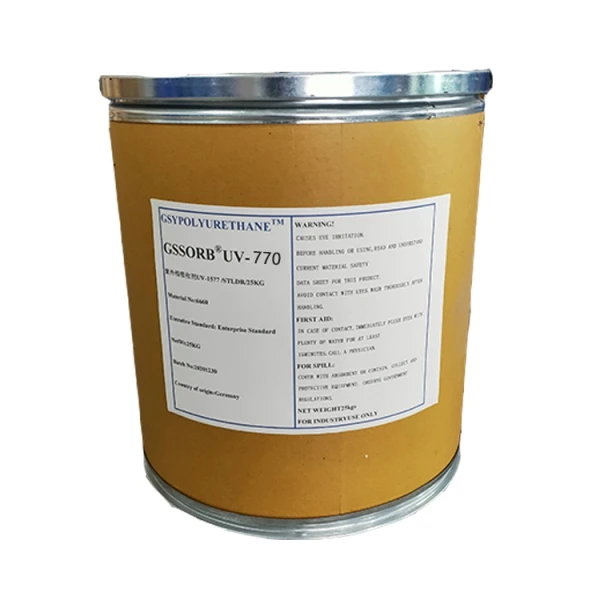
Plastic additives are essential components used in the production of plastic materials to enhance their properties and performance. These additives serve various functions, such as improving the durability, flexibility, color, and resistance to heat, UV radiation, and chemicals. The creation of these additives involves intricate chemical processes, which are crucial for the final product’s quality. In this article, we will explore the chemical processes behind the production of some common plastic additives, focusing on their synthesis and role in the plastics industry.
Types of News s
Before delving into the chemical processes, it is important to understand the various types of plastic additives commonly used in manufacturing. These include:
-
Stabilizers: Used to improve the thermal and UV stability of plastics.
-
Plasticizers: Additives that increase the flexibility and workability of plastics.
-
Flame Retardants: Reduce the flammability of plastics.
-
Colorants: Pigments and dyes added to achieve desired colors.
-
Fillers and Reinforcements: Improve mechanical properties such as strength and durability.
-
Antioxidants: Prevent the degradation of plastics due to oxygen exposure.
Each of these additives is produced through specific chemical processes that modify the base polymer’s properties in different ways.
Chemical Processes Behind Plastic Additives Production
1. Polymerization for Plasticizer Production
Plasticizers are substances added to polymers, such as PVC, to make them more flexible. The chemical process for creating plasticizers typically involves esterification reactions. One common method is the esterification of phthalic acid with alcohols like butanol or octanol. This produces phthalate esters, which are widely used as plasticizers. The esterification reaction involves the removal of water as the alcohol reacts with the acid under acidic conditions, often with the help of a catalyst. The choice of alcohol determines the properties of the plasticizer, such as its volatility and compatibility with different plastics.
For example, dioctyl phthalate (DOP) is one of the most common plasticizers and is created through the esterification of phthalic anhydride with 2-ethylhexanol. The resulting plasticizer enhances the workability and softness of PVC, making it suitable for products like cables, flooring, and medical devices.
2. Synthesis of Flame Retardants
Flame retardants are used to slow the spread of fire in plastic products. Many of these additives are halogenated compounds, which release chlorine or bromine when exposed to fire, creating a chemical barrier that prevents further combustion. The synthesis of brominated flame retardants, for example, involves the bromination of organic compounds, typically aromatic hydrocarbons like benzene or toluene. Bromine gas is introduced to these compounds under controlled conditions to form brominated aromatic compounds, which can then be incorporated into plastics.
A common example is the synthesis of decabromodiphenyl ether (DecaBDE), which is produced through the bromination of diphenyl ether. DecaBDE is effective in reducing the flammability of a wide range of plastics used in electronics, textiles, and transportation.
3. Antioxidants and Stabilizer Production
Antioxidants and stabilizers are essential in preventing the degradation of plastics due to heat, light, and oxygen exposure. One of the most widely used stabilizers is the organotin compound, such as dibutyltin dilaurate, which is synthesized by reacting tin compounds with organic acids. These stabilizers function by inhibiting the formation of free radicals, which would otherwise cause the breakdown of the polymer chains.
For instance, ultraviolet (UV) stabilizers are often based on benzophenones or benzotriazoles. These compounds absorb UV light and prevent it from breaking down the polymer. Their synthesis involves complex chemical reactions, often starting with aromatic compounds that are then modified with functional groups such as hydroxyl or methoxy.
Conclusion
The chemical processes behind the production of plastic additives are diverse and highly specialized. From the esterification of acids to the bromination of hydrocarbons, these reactions are tailored to enhance the properties of plastics for a wide array of applications. Whether increasing flexibility, improving fire resistance, or extending the lifespan of plastic materials, additives play a critical role in ensuring that plastics meet the needs of modern industry and consumers. As research continues, we can expect even more advanced and sustainable additives to emerge, further transforming the plastic manufacturing process.
