
Florence, Italy, often referred to as the cradle of the Renaissance, is a city that brims with artistic heritage and existent significance. Stepping into Florence feels like walking through an open-air museum, where every tells a story, and every building is a chef-d’oeuvre. The city’s perceptiveness prolificacy is not just limited to its museums and galleries, but is profoundly integrated in its architecture, sculptures, and even its streets. Florence was home to known artists like Leonardo da Vinci, Michelangelo, and Botticelli, whose works have left an indelible mark on the worldly concern of art. Visitors can swallow up themselves in the very places where these artists lived and worked, making the city a keep will to homo creative thinking.
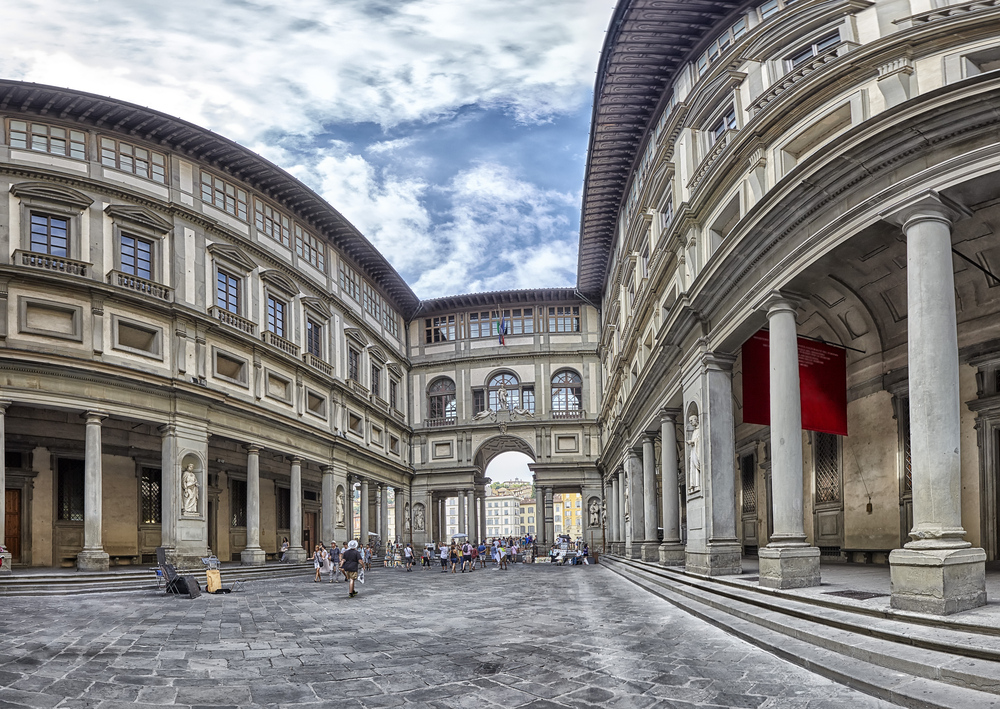
The Florence Uffizi Tours , one of the most famed museums in the world, holds a vast collection of Renaissance art that includes masterpieces by Botticelli, Raphael, and Caravaggio. The undergo of walking through the verandah is like taking a journey through time, where each room introduces a new era of art, from the early on workings of the 13th to the yard canvases of the 16th . Michelangelo’s David, housed in the Accademia Gallery, is another iconic piece that draws innumerous visitors each year. Standing before this construction sculpture, one is stricken not only by its size and mantrap but also by the undreamt of aid to anatomical reference , which showcases Michelangelo’s wizardry.
Beyond the notable galleries, Florence’s art view extends into its churches, palaces, and populace spaces. The Florence Cathedral, or Duomo, with its breathtaking dome premeditated by Filippo Brunelleschi, is a ground example of Renaissance architecture and technology. The church is embellished with complex frescoes, statues, and varnished-glass windows, all of which reflect the religious and creator inflammation of the time. Similarly, the Pitti Palace and the Boboli Gardens offer visitors a coup d’oeil into the deluxe lives of the Medici crime syndicate, whose keep going helped to shape Florence’s creator landscape painting.
Florence’s art inheritance is not only preserved in its 1000 institutions but is also perceptible in its workaday life. Walking along the Arno River, one can see the Ponte Vecchio, a gothic bridge that has housed shops for centuries. The bridge over, with its colourful views and history, is a livelihood symbolic representation of Florence’s long-suffering connection to craft and trade in. The city’s piazzas, such as Piazza della Signoria, are silk-lined with statues and fountains that shine the Renaissance ideals of smasher and musical harmony, while also celebrating the profession and appreciation importance of Florence in its halcyon age.
For those who venture off the beaten path, Florence offers hidden treasures in the form of littler museums, private collections, and small-known churches. These places often provide a more intimate experience of art, where visitors can search workings that are not as wide constituted but are no less considerable in their contribution to the artistic heritage of the city. The Museo San Salvi, for example, holds a collection of workings that showcase the organic evolution of Tuscan art from the Middle Ages to the Baroque time period. These spaces allow visitors to see the continuity and shift of artistic styles throughout chronicle, making Florence a moral force and ever-evolving discernment hub.
Florence’s art heritage is not only a reflexion of its past but also a bread and butter, ventilation part of its present. Today, the city continues to inspire artists, scholars, and art lovers from all over the earthly concern. The city’s to protective its creator bequest while embracing contemporary creativity ensures that Florence clay a focus on of creator conception and uncovering. Whether you are exploring its earthly concern-famous galleries or plainly wandering through its charming streets, Florence offers an see that connects you to the rich tapestry of art and account that defines this extraordinary city.

