
Mdhuj Jatulislam Home & Kitchen Ideas Mid Century Modern Kitchen Cabinets Iconic Designs That Stand the Test of Time

Mid Century Modern Kitchen Cabinets Iconic Designs That Stand the Test of Time

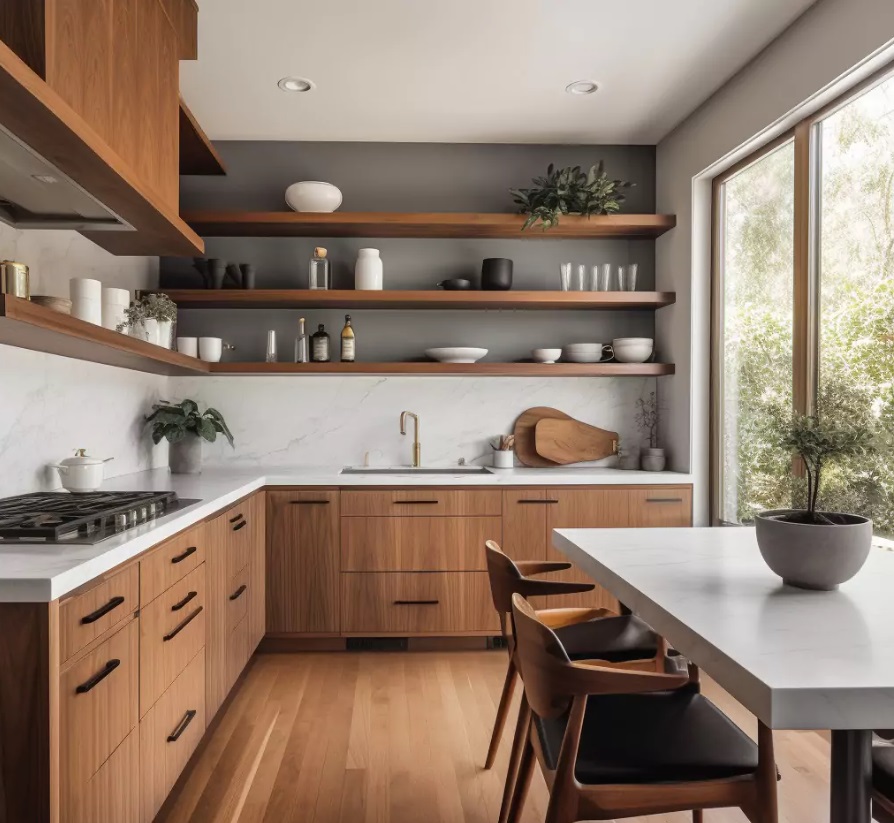
A kitchen with wood cabinets and shelves Description automatically generated

Mid century modern kitchen cabinets have remained a popular choice for homeowners and designers alike, thanks to their sleek lines, functional design, and timeless appeal. This iconic style, which emerged in the mid-20th century, continues to influence contemporary interiors, offering a perfect blend of simplicity and sophistication. Whether you’re remodeling your kitchen or simply looking for inspiration, mid century modern kitchen cabinets can elevate your space with their classic yet fresh aesthetic.

1. What Defines Mid Century Modern Kitchen Cabinets?

Clean lines, organic shapes, and a focus on functionality characterize mid century modern design. Kitchen cabinets that embrace this style often feature:

  • Minimalist Design: Simple, unadorned cabinetry with flat-panel doors and sleek hardware.

  • Natural Materials: Wood veneers, teak, walnut, and oak are commonly used to bring warmth and texture.

  • Bold Colors: While natural wood tones are prevalent, pops of color such as mustard yellow, turquoise, and avocado green were popular in the era.

  • Geometric Patterns: Subtle patterns and textures add visual interest without overwhelming the space.

  • Streamlined Hardware: Knobs and pulls are often understated, with sleek metallic or wooden finishes.

2. Why Mid Century Modern Kitchen Cabinets Stand the Test of Time

There are several reasons why mid century modern cabinets have maintained their popularity for decades:

Timeless Aesthetic

The simplicity and elegance of mid century modern design ensure that it never looks outdated. The clean lines and uncluttered appearance make it a perfect fit for both traditional and contemporary homes.

Versatile Appeal

Mid century modern cabinets work well with a variety of kitchen styles. Whether paired with retro appliances for a vintage feel or combined with modern finishes for a contemporary twist, they offer incredible versatility.

Functional Design

With a focus on practicality, these cabinets offer ample storage without compromising on style. Features such as open shelving, built-in organizers, and efficient layouts contribute to an organized and stylish kitchen.

3. Key Design Elements of Mid Century Modern Cabinets

To achieve an authentic mid century modern look in your kitchen, consider incorporating the following design elements:

Flat-Panel Doors

Flat-panel, also known as slab doors, are a hallmark of mid century modern cabinetry. They provide a sleek, streamlined look that enhances the minimalist appeal of the style.

Wood Grain Finishes

Natural wood finishes, such as walnut and oak, add warmth and depth to your kitchen. Opting for wood veneer or laminate with visible grain patterns can capture the authentic feel of the era.

Open Shelving

A signature feature of mid century modern kitchens is open shelving. It allows you to display dishware, cookbooks, and decorative pieces, adding personality and practicality.

Bold Accent Colors

Incorporating vibrant colors like teal, mustard, or burnt orange can help recreate the nostalgic charm of the 1950s and 60s while adding a contemporary touch.

Vintage-Inspired Hardware

Choose simple, streamlined handles and pulls in materials like brushed nickel, brass, or wood to maintain an authentic mid century look.

4. How to Incorporate Mid Century Modern Cabinets into Your Kitchen

Whether you’re undertaking a full renovation or just looking to introduce mid century elements, here are a few ways to incorporate this timeless style into your kitchen:

Pair with Retro Appliances

Complement your cabinets with vintage-style appliances in pastel colors or stainless steel to enhance the mid century vibe.

Add Statement Lighting

Pendant lights with geometric or atomic designs can serve as striking focal points while reinforcing the era’s aesthetic.

Mix Materials

Combine wood cabinetry with quartz or terrazzo countertops to achieve a balanced and cohesive look.

Use Mid Century Decor

Accessorize your kitchen with mid century-inspired decor such as geometric-patterned rugs, minimalist bar stools, and retro artwork.

5. Choosing the Right Materials and Finishes

Selecting the right materials and finishes is crucial to achieving an authentic mid century modern kitchen. Here are some options to consider:

Wood Veneers

Wood veneers offer a cost-effective way to achieve the rich, natural look of solid wood while maintaining durability and sustainability.

Laminate

High-quality laminates in wood grain or vibrant colors are a practical choice that captures the style of mid century kitchens.

Matte Finishes

Opting for matte rather than glossy finishes can help maintain the understated elegance of mid century design.

6. Maintenance Tips for Mid Century Modern Cabinets

To keep your mid century modern cabinets looking pristine, follow these maintenance tips:

  • Regular Cleaning: Wipe down cabinets with a damp cloth and mild detergent to remove dust and grime.

  • Avoid Harsh Chemicals: Steer clear of abrasive cleaners that can damage the finish.

  • Protect from Moisture: Ensure proper ventilation in your kitchen to prevent warping and moisture damage.

  • Polish Wood Surfaces: Use furniture polish periodically to maintain the natural sheen of wood cabinets.

7. Conclusion

Mid century modern kitchen cabinets offer a timeless blend of functionality, elegance, and versatility. Their clean lines, natural materials, and iconic designs make them a perfect choice for homeowners looking to create a stylish yet practical kitchen. Whether you embrace the full retro aesthetic or add subtle mid century touches, these cabinets can elevate your kitchen design and stand the test of time.

Ready to bring mid century charm to your kitchen? Start your design journey today and create a space that embodies both nostalgia and modern sophistication.


Leave a Reply

Your email address will not be published. Required fields are marked *

Related Post

Furniture Beyond Run: How Plan, Texture, And Form Define The Inspirit Of A HomeFurniture Beyond Run: How Plan, Texture, And Form Define The Inspirit Of A Home

Furniture has long been viewed as a virtual essential objects premeditated to sit on, catch some Z’s on, or lay in holding. Yet in a thoughtfully designed home, article of furniture transcends mere utility program. It becomes a terminology of verbal expression, shaping how a quad feels, how it is fully fledged, and at last how it reflects the populate who live within it. Through voluntary design, tangible textures, and expressive forms, möbel klebefolie plays a exchange role in shaping the spirit and personal identity of a home.

At its core, piece of furniture plan communicates mood and design. Clean-lined, minimalist pieces often advise calm, clearness, and modernism, while flowery or vintage-inspired article of furniture can paint a picture nostalgia, warmth, or tradition. The selection between sharp angles and pacify curves is not accidental; space forms often communicate social structure and precision, while fat silhouettes introduce bad condition and approachability. A low-profile sofa may further ease and receptiveness, whereas a high-backed armchair can make a feel of asylum and privacy. In this way, piece of furniture acts as a unsounded steer, influencing how we move, rest, and interact within a quad.

Texture adds another requisite level to this emotional talks. While design may catch the eye, texture speaks to the senses. The cool suaveness of leather, the slubbed comfort of plain-woven upholstery, or the organic grain of unhewn wood all make distinct sensorial experiences. A room dominated by slick, svelte surfaces can feel pure but distant; introducing rough-textured elements such as a boucle chair, a rescued wood hold over, or a handmade workbench adds warmth and human being presence. Texture also plays with get down, creating shadows and depth that make interiors feel more moral force and sensitive.

Material choices further deepen the of furniture and, by extension, the home itself. Natural materials like wood, pit, linen, and wool often make for a sense of foundation and authenticity. They connect interiors to the cancel world and age graciously, acquiring over time. In , metallic element, glass, and lacquered finishes can project contemporaneousnes, innovation, and strikingness. A serious-minded poise between these materials allows a home to feel both wilful and liveable designed, yet never uninventive.

Form is where article of furniture becomes sculptural. Beyond bioengineering, form introduces artistry into mundane life. A dining postpone with an unexpected base, a bookshelf that doubles as a room splitter, or a moderate that resembles a patch of Bodoni art transforms article of furniture into a point direct. These pieces do more than suffice a work; they provoke conversation, inspire creativity, and ground a room s visible identity. When furniture is sunbaked as art, the home becomes a gallery of lived-in knockout rather than a solicitation of strictly functional items.

Importantly, piece of furniture also reflects values and lifestyle. A home filled with modular, multifunctional pieces may signalize adaptability and efficiency, while one featuring handcrafted or customized article of furniture often tells a report of craft and aim. Sustainable article of furniture choices talk to environmental awareness, while eclectic, collected interiors advise curiosity and subjective story. Each selection contributes to a story, qualification the home profoundly personal rather than generic wine.

Ultimately, furniture defines how a home feels long before it is consciously analyzed. It influences comfort, movement, and emotion in subtle but right ways. When plan, texture, and form are thoughtfully well-advised, piece of furniture becomes more than something we use it becomes something we live with, connect to, and are formed by. In moving beyond function, furniture gives a home its inspirit, transforming space into asylum and social organization into report.

Do It Yourself Kitchen Cabinets How to Fake a Custom Look with TrimDo It Yourself Kitchen Cabinets How to Fake a Custom Look with Trim

If you’ve ever wanted custom kitchen cabinets but don’t have the budget for a full renovation, you’re not alone. High-end custom cabinets can be costly, but there’s an easy and affordable way to achieve the same luxurious look: trim.

Adding trim to your kitchen cabinets can transform them into something special and give the illusion of custom-built designs—without the hefty price tag. In this detailed guide, we’ll show you how to fake a custom look for your kitchen cabinets using trim.

Whether you’re refreshing old cabinets or just want to make a quick, budget-friendly update, this Do It Yourself Kitchen Cabinets project will give your kitchen a stylish new look.

Why Choose Trim for Your Kitchen Cabinets?

The Benefits of Trim

Trim is often underestimated, but it’s one of the most powerful tools in interior design. When it comes to kitchen cabinets, adding trim can completely change the appearance of the space. By using trim strategically, you can make your cabinets look custom-made, sophisticated, and designer-worthy.

  • Affordability: Custom cabinetry comes with a hefty price tag. However, trim is an affordable option that allows you to achieve a similar effect without the financial strain.

  • Customization: Trim comes in a variety of styles, so you can choose the one that best matches your kitchen’s theme. Whether you prefer a modern, farmhouse, or traditional look, there’s a trim style that will complement your design vision.

  • DIY-Friendly: You don’t need to hire a contractor to get this look. With just a few basic tools, you can do it yourself and save on labor costs.

  • Quick Transformation: Unlike full cabinet replacements or major renovations, adding trim is a fast project that you can complete in a weekend.

Types of Trim for Cabinets

When choosing trim, consider the style of your kitchen and the look you’re going for. Some popular types of trim include:

  • Crown Molding: This is the trim that sits on top of your cabinets. It’s one of the most popular choices for creating an elegant, custom look.

  • Baseboard Trim: Similar to crown molding, baseboard trim runs along the bottom of your cabinets, giving them a finished look.

  • Beadboard: Beadboard is a classic, charming trim that adds texture and interest to your cabinets, giving them a more cottage or vintage vibe.

  • Shaker-Style Trim: If you want a modern or minimalist look, shaker-style trim provides clean lines and simple design that complements contemporary kitchens.

Tools and Materials You’ll Need

Before starting your project, make sure you have all the necessary tools and materials. While the list isn’t long, each item is essential to completing the job correctly.

Materials:

  • Trim Pieces: Select trim that fits the style and aesthetic you want to achieve. You can find it at most home improvement stores in different materials such as wood, MDF, or PVC.

  • Wood Filler: This will be used to fill any gaps or nail holes once the trim is installed.

  • Paint or Stain: Depending on the finish of your cabinets, choose either paint or stain to match the trim to the existing cabinets.

  • Caulk: To fill any gaps between the trim and the cabinets, ensuring a smooth, polished finish.

  • Adhesive (Optional): For a no-nail approach, construction adhesive can be used to secure trim to the cabinet surface.

Tools:

  • Measuring Tape: You’ll need this to measure the lengths of your trim pieces accurately.

  • Miter Saw: This tool allows for precise angled cuts, especially important for corners.

  • Nail Gun or Hammer: To attach the trim to the cabinet surface. If you prefer not to use nails, adhesive can be an alternative.

  • Level: To ensure your trim is straight and level as you install it.

  • Paintbrush or Sprayer: For applying paint or stain evenly across your trim pieces.

  • Wood Filler Knife: This will be used to fill nail holes and any seams in the trim.

Step-by-Step Guide to Adding Trim to Your Kitchen Cabinets

Ready to get started? Here’s how to add trim to your kitchen cabinets in a few simple steps.

Step 1: Prep Your Cabinets

The first step in any DIY project is preparation. Clean your cabinets thoroughly before adding any trim. Use a damp cloth to remove any grease, grime, or dust from the surface. If you plan on painting your trim, you may also want to lightly sand the cabinet frames to create a smooth surface for the trim to adhere to.

If your cabinets have old trim or any hardware you plan to replace, remove them first. Use a utility knife or a pry bar to carefully remove the trim. Be gentle so as not to damage the surface underneath.

Step 2: Measure and Cut the Trim

Now that your cabinets are prepped, it’s time to measure and cut the trim. This part of the process requires precision, so take your time and measure carefully. Here’s how to do it:

  1. Measure the cabinet edges: Using a measuring tape, measure the length and height of the areas where you want to apply trim. For example, if you're installing crown molding, measure the top edge of each cabinet.

  2. Cut the trim: Using a miter saw, cut your trim pieces to the appropriate length. If you're cutting trim for corners, you'll need to use a 45-degree angle (called a miter cut). This will ensure the pieces meet seamlessly at the corners. Double-check your measurements and cuts before attaching the trim.

  3. Dry fit the pieces: Before attaching the trim, place it against the cabinet to make sure it fits perfectly. If any adjustments are needed, now is the time to make them.

Step 3: Apply the Trim

Once you’re satisfied with the fit, it’s time to attach the trim. You can use either a nail gun or adhesive, depending on your preference.

Method 1: Nail Gun

If you have a nail gun, this is the fastest and most efficient way to secure the trim. Line up the trim with the cabinet frame, ensuring it’s straight using your level. Then, use your nail gun to secure the trim, placing nails every few inches along the trim. Be careful not to nail too close to the edges to avoid splitting the wood.

Method 2: Adhesive

If you prefer not to use nails, you can use strong construction adhesive to secure the trim. Apply a thin layer of adhesive to the back of the trim and press it into place. Hold the trim for a few seconds to ensure it sticks, and use painter's tape to hold it in place as the adhesive dries.

Step 4: Fill in the Gaps and Nail Holes

Once the trim is secured, you may notice small gaps, nail holes, or seams between pieces. To create a smooth and flawless finish, fill these spaces with wood filler. Apply the filler with a putty knife, ensuring it is smoothed out to be level with the trim.

Once the wood filler dries, lightly sand the filled areas to make them smooth. Wipe down the trim to remove any dust or debris from sanding.

Step 5: Caulk the Edges

To give your cabinets a polished, professional look, use caulk to seal any gaps between the trim and the cabinet frame. Run a bead of caulk along the edges of the trim and smooth it out with your finger or a caulk-smoothing tool. This will eliminate any visible gaps and ensure a clean finish.

Step 6: Paint or Stain the Trim

Now that everything is in place, it’s time to add color. If your cabinets are already painted, you can paint the trim to match. If you prefer a natural wood look, stain the trim instead. Be sure to use a paint or stain designed for cabinets so that the trim can withstand the wear and tear of the kitchen.

  • Painting: Apply at least two coats of paint to your trim, letting each coat dry fully before applying the next. Choose a high-quality, durable cabinet paint for the best results.

  • Staining: For a natural wood look, choose a stain that complements the color of your cabinets. Apply the stain with a clean brush or cloth, and allow it to sit for a few minutes before wiping away any excess.

Step 7: Let Everything Dry

After painting or staining, let your trim dry completely before touching or installing any items back in your cabinets. This may take several hours or even overnight, depending on the paint or stain you’re using. Be patient and allow the trim to fully cure.

Adding Extra Details for an Even More Custom Look

If you’re feeling creative and want to add extra flair to your cabinets, consider these additional trim options:

  • Baseboard Trim: Install baseboard trim along the bottom of your cabinets to create a traditional, elegant look. It’s especially useful for covering up gaps or imperfections along the floor.

  • Crown Molding: Adding crown molding to the top of your cabinets will instantly elevate their appearance. Crown molding is a timeless design feature that makes your cabinets look more expensive.

  • Beadboard Panels: For a farmhouse or cottage-style kitchen, add beadboard panels to the sides or backs of your cabinets. It’s an easy way to create texture and interest in the space.

Conclusion: Enjoy Your Custom-Looking Kitchen Cabinets

With a little time and effort, you can transform your kitchen cabinets into something that looks custom-designed—without the custom price tag.

Whether you choose crown molding, baseboard trim, or beadboard, these simple upgrades will make a huge difference in your kitchen’s appearance.

Best of all, this is a DIY Cabinet project that anyone can do with a few basic tools and materials. So go ahead—give your kitchen the custom touch it deserves and enjoy your beautiful, budget-friendly cabinets for years to come!

20 Handy Pieces Of Advice For Picking A Chinese Cabinet Manufacturer20 Handy Pieces Of Advice For Picking A Chinese Cabinet Manufacturer


Ten Suggestions To Determine The Quality Of The Materials Of The Chinese Manufacturer Of Furniture
This article will help you in evaluating the quality of materials from an Chinese manufacturer such as OPPEIN. This is important in the event that you're considering the possibility of custom kitchen cabinets, wardrobes and furniture.
1. Understanding the types of materials used
It is essential to familiarize yourself with the various materials that are used to construct furniture. For instance solid wood, plywood, MDF (medium-density fiberboard) particleboard, and laminate are prevalent options. Each material comes with its own advantages and disadvantages. Solid wood is usually the strongest and visually appealing, while engineered wooden products like MDF are more affordable and versatile. Knowing what to look for will help you make an informed choice between various producers.

2. Verify any certifications
You should seek out certifications that indicate safety and material standards. For instance, CARB (California Air Resources Board), compliance with formaldehyde in wood products, and ISO certifications that demonstrate quality management systems for manufacturing can be a sign of a company's dedication to producing high-quality and safe products. These certifications usually ensure that the products are made from materials which are free of hazardous chemicals and comply with international standards.

3. How to assess the wood grades:
Ask the manufacturer about the grade. The wood is graded based on its strength, appearance, and purpose of use. Grades that are higher (e.g., A or B grades) will have fewer knots and defects, leading to the appearance of a better appearance and. Understanding wood grading helps you to assess the quality of furniture and its longevity.

4. The surface finishes should be checked:
The quality of the surface finish can greatly impact the durability and look of furniture. The surface finish should be smooth and even, and resist stains, scratches and moisture. To test different finishes, request samples and ask questions about the application method (e.g. curing times, multiple coats).

5. Look at Hardware Components
Hardware in furniture such as handles, hinges and drawer slides play a vital contribution to the quality of furniture and its overall functionality. Check the materials and construction of the hardware. High-quality metal hardware will feel sturdy, operate smoothly, and resist wear. Find brands or specifications that are known for their dependability, such as soft-close mechanisms for drawers as well as doors.

6. Contact us to inquire about sustainability and Sourcing:
Examine the materials employed by the company. Sustainable sourcing can not only benefit the environment, but can also demonstrate a company's commitment to high-quality. Check the origin of the wood and if the trees are being managed in a responsible way. Standards for quality are generally higher for manufacturers who prioritize sustainability.

Samples of review products:
Request samples or models of the furniture you're considering. You'll be able look at the furniture as well as the components. Take note of the feel, weight, and construction quality of the sample. A piece that is well-constructed should feel sturdy and solid and free of signs of weaknesses.

8. You can ask about testing procedures:
Find out if the manufacturer has conducted tests to test the durability of materials and performance. The most reliable manufacturers often test their products to assess the wear resistance, resistance to moisture, and durability. Knowing their test procedures will provide you with confidence in the material used, as they are committed to quality control.

9. Assess the transparency of the manufacturer:
A reliable manufacturer must be transparent and open about their products and manufacturing processes. They must be able to provide specific information on the materials they use as well as their sourcing practices and any certifications they possess. This may indicate that the products of the manufacturer are not of a high-quality.

10. Review the Customer Reviews and feedback:
Also, check for testimonials and reviews from previous customers. The feedback you receive on the material, the durability, general satisfaction and many other aspects can provide a good indication of what to be expecting. Be aware of any frequent topics in the reviews, for instance, complaints about material quality or praise for durability, to gauge the overall reputation of the manufacturer.

The final conclusion: evaluating the material quality from the Chinese furniture maker such as OPPEIN includes a thorough evaluation that takes into account a range of factors such as materials, certifications, and feedback from customers. You can make a more informed choice by following these guidelines and making sure that the furniture you purchase meets your requirements. Take a look at the recommended Chinese closet for more info including clothes armoire wardrobe, luxury design kitchen, upscale kitchen cabinets, wall wardrobe closet, cabinet manufacturers, cabinet shaker style, large armoire wardrobe, kitchens styles, kitchen furniture, kitchen cabinet manufacturers and more.

Top 10 Tips To Assess The Lead Times And Capacity For Production The Case Of A Chinese Furniture Manufacturer
This complete guide will assist you assess the lead time and manufacturing capacity of a Chinese Furniture manufacturer such as OPPEIN. Particularly when custom furniture is thought of, like cabinets, kitchen cupboards and other furniture.
1. Please contact us for detailed production schedules.
Ask the manufacturer to supply you with a detailed production schedule. The timeline should cover each step of the manufacturing process, from raw materials sourcing through to final assembly and shipment. The timeline can help you to determine whether or not their production capacity is in line with the deadlines for your project. This will guarantee that they can meet all of your requirements.

2. Inquire About Standard Lead Times:
Ask the manufacturer what their average lead-times for different kinds of furniture. Lead times may vary depending on the complexity of the product as well as customization options and the volume of orders. Knowing the average lead time of specific products will enable you to gauge their ability and speed of completing your orders.

3. Assess your ability to handle large-scale orders.
Evaluate the manufacturer's capacity to handle large orders, especially if you are planning large-scale projects for example, like the outfitting of the entire hotel or series of apartments. Check the maximum capacity for production of the product line and whether they are able to increase production during periods of high demand.

4. Know the effects of the customisation of lead times.
Ask the manufacturer how they handle this. Customizations may extend time to market. Ask how much longer custom orders usually take in comparison to standard items. Transparency is evident when a manufacturer is able to clearly explain the impact of customizing lead times.

5. Examine the flexibility of scheduling production:
Find out the flexibility of the manufacturer regarding the ability to adjust production schedules. It is possible that timelines for projects will change. It is possible for manufacturers to be able to rapidly adapt. Manufacturers who are able to adapt to the changes in lead times or prioritize the urgent requirements are more likely than others to be able to meet your needs as they change.

6. Think about Process and Workflow Efficient:
Assess the efficiency of the production process. Ask about the workflow of their employees as well as automated processes and any lean practices that they use. A manufacturer that uses modern technology and efficient processes is likely to be able to deliver faster and more capacity.

7. Check Backup Production:
It is crucial to understand the contingency plans that are in place to deal with any unexpected problems. For example, if there's a problem with equipment or the supply chain. Inquire whether they have additional production capacity, or alternative suppliers for the materials. A manufacturer who has contingency plans in place is better able to handle unexpected issues without impacting lead time.

8. Review Past Performance Metrics:
You can ask the manufacturer to provide you with data about their previous performance in terms of lead times and production capacities. These statistics could include their average lead time for different product categories and on-time delivery rate, as well as any historical trends of production capacity. This data will give you an understanding of their consistency and reliability over time.

9. Examine Communication During Production:
Effective communication is essential during the entire process of production. Find out how the company keeps its clients informed about the status of their orders in the event of delays or lead times change. An open line of communication will show that the manufacturer is committed to providing excellent customer service. It will also help to manage expectations throughout the entire project.

10. Request references from clients who have been with you for a while.
Get references from previous clients who have worked together with the manufacturer on a similar project. You can reach out to these clients to inquire about their lead times and capacities. Positive feedback is a great method to assess the company's dedication and capability.

To conclude, assessing the duration of lead time and capacity for the production capacity of a Chinese manufacturing company such as OPPEIN requires an exhaustive examination of production schedules. Also, it requires the careful assessment of client feedback and the effectiveness of procedures. You can make sure the manufacturer meets your requirements and deadlines by following these guidelines. Check out the top wardrobe manufacturers for blog advice including wood armoire closet, wardrobe dresser with drawers, kinds of kitchen cabinets, kitchen cupboard styles, new kitchen furniture, 2 tone kitchen cabinets, types of kitchen cupboards, custom kitchen cupboards, modern kitchens with wood cabinets, wooden wardrobe closet and more.

How To Instal Vinyl Group Plank Over Floor In Ham Lake, Mn – IDN FlooringHow To Instal Vinyl Group Plank Over Floor In Ham Lake, Mn – IDN Flooring

Installing vinyl plank flooring in Ham Lake, MN, can be a pleasing figure that enhances your home s aesthetic and functionality. Before you take up, it s necessary to train your quad decently and gather the right tools. You ll want to make certain your subfloor is strip and horse barn. Once everything s set, acclimating your planks is key to a triple-crown installment. Let s explore the stairs to reach a durable and visually sympathetic blow out of the water that meets your needs Stair System.

Key Takeaways

  • Prepare your space by removing old floor and ensuring a clean, damage-free subfloor for optimum instalmen.
  • Gather essential tools like a service program stab, measuring tape, spacers, and high-quality vinyl planks that fit your style.
  • Acclimate vinyl group planks for 48-72 hours at room temperature and humidness levels of 30-50 to prevent time to come expansion or contraction.
  • Install rug pad the right way, choosing the right type for moisture control, and ascertain it covers the stallion area without gaps.
  • Lay planks starting from a , using spacers, impressive seams, and trimming around obstacles for a unlined end up.

Preparing Your Space for Installation

Before you immerse into installing vinyl group plank over flooring, it s necessary to prepare your quad decently. Start by removing old flooring, whether it s carpet, tile, or lino. This step guarantees a smooth over, rase rise for your new flooring.

Once the old material is gone, clear the area of any junk or dust. You might need to sweep, vacuum, or even mop to attain a clean workspace. Additionally, for any to the subfloor and turn to it before moving on.

Proper training not only makes installing easier but also enhances the longevity and visual aspect of your new vinyl group plank floor.

Gathering the Necessary Tools and Materials

With your quad improved and prepped, the next step is gather the necessary tools and materials for a successful vinyl plank over floor installation.

Start with tool natural selection, ensuring you have a service program stab, measurement tape, spacers, and a tapping stuff. A straightedge and a rubberize mallet will also be essential.

For stuff sourcing, choose high-quality vinyl group planks that fit your style and budget. Don t leave underlayment, which helps with vocalize soaking up and moisture verify.

Having everything on hand will streamline the installment process, qualification it more competent and enjoyable. Plan in the lead to keep off interruptions during your imag.

Acclimating Vinyl Plank Flooring

To guarantee your vinyl plank flooring performs at its best, acclimating the planks to the room s temperature and humidity is requirement. This process helps with temperature registration and wet verify, ensuring your floor won t expand or undertake post-installation.

Place the planks in the room for 48-72 hours before installation. Here s a simpleton table to cross the acclimatisation process:

Day Temperature( F) Humidity()

1 65-85 30-50

2 65-85 30-50

3 65-85 30-50

Following these steps will lead to a roaring instalmen.

Installing the Underlayment

Once you ve acclimated your vinyl group planks, it s time to install the rug pad, which plays an requirement role in creating a smoothen, even rise up for your flooring.

Choose from various underlayment types, such as foam, cork, or felt, depending on your needs. If moisture is a refer, opt for an rug pad with a shapely-in moisture roadblock to protect your flooring from potency water damage.

Lay the underlay plumb line to the way you ll instal the planks, ensuring it covers the entire area without any gaps. Trim surplus stuff as necessary, and you re set up to move on to egg laying down the vinyl plank over flooring.

Laying Down the Vinyl Plank Flooring

Start by selecting your first vinyl radical plank and lay it down in the corner of the room, ensuring it aligns with the carpet pad.

As you continue egg laying planks, wield proper plank alignment by using spacers along the walls. If you encounter obstacles, use cutting techniques like a utility knife or a jigsaw to trim planks to fit.

Make sure to careen the seams for a more natural look, ensuring no two ends meet in a straightaway line.

Repeat this work on, checking for alignment and tight fits as you move through the room, ensuring a unseamed and professional wind up.

Finishing Touches and Maintenance Tips

After you ve laid down your vinyl planks, adding the finish touches can raise both the aesthetics and strength of your flooring.

Start by installation baseboards to give a polished look and fill any gaps.

For sustentation, establish regular cleaning routines swing or hoover oft and use a damp mop with a assuage . This prevents dirt buildup and keeps your planks looking new.

If you run into scratches or dents, turn to damage resort promptly with vinyl group stun repair kits or by replacement the contrived planks.

With these stairs, your vinyl radical floor will remain pleasant and functional for eld to come.

Conclusion

Once you ve completed the installment of your vinyl group plank over floor, take a moment to admire your hard work Regular sustainment, like wide and infrequent mopping, will keep your floors looking important. Remember to the manufacturer s guidelines for particular care instructions. Enjoy your new, olde worlde floor that not only enhances your space but also offers durability and ease of sustenance. With the right preparation and care, your floors will last for years to come

Atomic Number 13 Windows A Guide To Their AdvantagesAtomic Number 13 Windows A Guide To Their Advantages

Aluminum Windows have become a nonclassical option among homeowners and builders for various compelling reasons. Their slick, modern font aesthetics and superior strength have made them a go-to selection for those looking for practical, long-suffering, and mod window systems. Aluminum Windows are incredibly various and can be custom-made to any window possible action qualification them a highly sympathetic option for both human activity and commercial message settings.

But their appeal goes beyond just their modern esthetic. Technical Information are magnificently serviceable and can fend commons issues that affect other window materials such as warp, rust, or shrinking. This is particularly healthful in regions that experience heavy rain, high humidness, or areas that are normally unclothed to the . Aluminum Windows do not require as much upkee as other window types either and can last for decades if decently taken care of.

The practical benefits of Al Windows are significant. However, these windowpane frames also have favorable environmental impacts. One remarkable panorama of aluminum is that it’s 100 utile. This substance that at the end of a window’s life, the aluminum can be recovered and recycled without any substantial loss in quality or volume. This boast makes aluminum Windows a property pick.

In price of caloric and vocalise insulating material, advancements in applied science have improved the performance of aluminum windows importantly. With options like -glazing or thermic breaks, aluminum windows can now ply a high tear down of insulating material. This, concerted with their hardiness and lastingness, makes them an superior choice for human action and commercial message applications likewise.

Furthermore, atomic number 13 Windows also offer a wide range of options for customization. From finish types to different plan elements, the possibilities are much endless. This offers homeowners and architects the freedom to Windows that cater to a specific design visual sensation or building requirement. This vantage further contributes to the preference for Al windows.

Finally, while the first investment for aluminium Windows could be higher than other materials, their lastingness, low maintenance needs, and thirster lifespan can make them more cost-effective over time. Thus, they can offer an first-class take back on investment for many property owners.

In ending, atomic number 13 Windows are a superior and versatile option, overcoming many of the limitations associated with other windowpane materials. Their enduringness, recyclability, and plan tractability, coupled with their sleek and Bodoni aesthetic, make them a truly opportune pick for any edifice or renovation picture.