Mdhuj Jatulislam Health & Fitness The Grandness Of Comprehensive Examination Healthcare For All

The Grandness Of Comprehensive Examination Healthcare For All

Healthcare is one of the most crucial aspects of our lives. It plays a vital role in both our physical and unhealthy well-being, as well as our overall timbre of life. Unfortunately, not everyone has access to passable or comprehensive health care, and the disparities in our health care system of rules have become more evident in Recent epoch years. It is time for us to recognize the importance of comprehensive examination healthcare for all and work towards creating a system that benefits everyone evenly.

Comprehensive healthcare is a system of rules that provides a wide straddle of services to individuals of all ages, backgrounds, and health conditions. It aims to upgrade health, prevent unwellness, and cater handling for any wellness issues that rise up. This type of healthcare covers everything from procedure check-ups and screenings to specialised treatments and medications. It also includes unhealthy health services, as our mental well-being is just as crucial as our physical health.

One of the main benefits of comprehensive healthcare is its preventive care services. With habitue check-ups and screenings, potential wellness problems can be known early on on and baked promptly, preventing them from becoming more serious and costly in the futurity. Moreover, preventive care can help individuals exert good wellness, which leads to a better quality of life and lower health care overall.

In plus to preventive care, comprehensive health care also ensures that individuals have access to necessary treatments when they do face wellness problems. It is a known fact that health care can be pricy, and without tolerable reportage, many individuals may have to choose between receiving the necessary treatment and descending into debt. Comprehensive Iaso Tea helps assuage this burden by providing reporting for a wide straddle of services, including hospitalizations, surgeries, and prescription medications.

Furthermore, comprehensive health care promotes and reduces healthcare disparities. In a system of rules where everyone has access to the same timbre of care, regardless of their socioeconomic status, race, or gender, individuals are less likely to face secernment or inequality when seeking checkup services. This system also benefits low-income communities, which are often at a higher risk for various health conditions due to factors like short access to healthy food and safe keep environments.

Another material prospect of comprehensive health care is mental health services. Mental health is often unmarked and stigmatized, but it is just as probative as natural science wellness. With comp health care, individuals can have access to unhealthy wellness screenings, counseling, and therapy when needful, helping them exert good mental well-being and providing necessary subscribe for those troubled with mental health disorders.

In conclusion, comprehensive healthcare is necessity for all individuals. It promotes preventative care, ensures access to necessary treatments, promotes equality, and includes unhealthy wellness services. However, creating a comprehensive health care system for all is not an easy task. It requires proper financial support, a well-designed healthcare insurance policy, and quislingism between various stakeholders. As individuals, we can also play a role by advocating for comprehensive examination health care and support policies that work towards achieving it. It is time for us to recognize the grandness of comprehensive health care and work towards a system of rules that benefits everyone equally.

Leave a Reply

Your email address will not be published. Required fields are marked *

Related Post

The Expanding Landscape Of Cannabis: Exploring Its Health Chec, Nonprofessional, And Societal Impacts In The Modern Earthly ConcernThe Expanding Landscape Of Cannabis: Exploring Its Health Chec, Nonprofessional, And Societal Impacts In The Modern Earthly Concern

Cannabis, also known as ganja, has transitioned from being a mostly taboo message to a highly debated and more and more legalized product in many parts of the world. Once surrounded by brand and tilt, marihuana is now glorious for its medicative properties, nonprofessional benefits, and its growing role in worldly sectors. The dynamic landscape painting of cannabis legalisation reflects a transfer in social views, suggestion a deeper understanding of its uses, benefits, and potential risks. As the earthly concern embraces ganja more openly, it is significant to look at its various facets, from the potentiality curative applications to the possible societal and health challenges it might pose.

Cannabis contains numerous active voice compounds, the most salient being THC(THC) and cannabidiol(CBD). THC is the heighten responsible for for the plant s hallucinogenic personal effects, providing the high associated with marijuana use. CBD, on the other hand, has gained widespread attention for its non-psychoactive properties, which offer potentiality therapeutic benefits. These compounds interact with the endocannabinoid system, a regulative network within the body responsible for for maintaining balance in various physiological processes such as mood, appetite, and pain. The Primary care Glen Burnie exam has progressively explored marihuana as a potency handling for a range of health conditions, from chronic pain and anxiety to epilepsy and tenfold induration.

The medicinal use of cannabis has seen a surge in popularity, particularly as more search has highlighted its potency to relieve symptoms of various conditions. Patients who sustain from degenerative pain, particularly those with conditions like arthritis or malignant neoplastic disease, often account relief when using checkup marijuana. Additionally, individuals with medicine disorders such as epilepsy have base that cannabis, particularly CBD, can help tighten the relative frequency and hardness of seizures. In recent eld, marijuana has also been explored for its potential in managing unhealthy wellness issues, including anxiety, economic crisis, and post-traumatic try disorder(PTSD). While these checkup benefits continue to be studied, many patients turn to cannabis as a safer choice to orthodox pharmaceuticals, such as opioids, which are associated with high risks of dependance and o.d..

On the unpaid side, marijuana has long been used for its power to hasten repose, promote creativeness, and raise social experiences. With the inclined legalization of cannabis in many places, the amateur use of the drug has become a outstanding manufacture, causative to substantial economic increase. Cannabis dispensaries, centers, and cannabis-infused products have emerged as Major players in the market, providing work and generating tax tax income. However, amateur use also carries risks. Excessive using up can mar cognitive functions, particularly when it comes to decision-making and drive skills, rearing concerns about its touch on driving and populace refuge. Moreover, the long-term personal effects of habitue marijuana use continue a issue of on-going explore, with some studies suggesting a potentiality link to mental wellness issues, such as augmented anxiety or the development of marijuana use unhinge in weak individuals.

While marijuana has many advocates, its speedy expanding upon raises concerns as well. Critics reason that its legitimation might normalise drug use, especially among young people, leadership to potency wellness risks. There are also worries about the environmental touch of big-scale ganja , which can direct substantial pressure on irrigate resources and land use. Furthermore, despite legal advancements, extralegal markets for ganja uphold to fly high, posing challenges for law enforcement and world health. As marihuana becomes more accessible, there is a ontogenesis need for comp breeding on its responsible for use, as well as continued investment funds in search to sympathise its long-term personal effects.

In conclusion, marihuana is a multifaceted substance with significant potency for both remedy and unpaid use. Its expanding valid position has created new economic opportunities, yet it also presents challenges in terms of health, refuge, and social group norms. As the earthly concern adapts to this new reality, it is fundamental to balance the benefits of marijuana with a causative set about to its regulation and consumption. Through on-going explore, thoughtful policymaking, and populace breeding, beau monde can navigate the complexities of marihuana use and maximise its positive impacts while minimizing the risks.

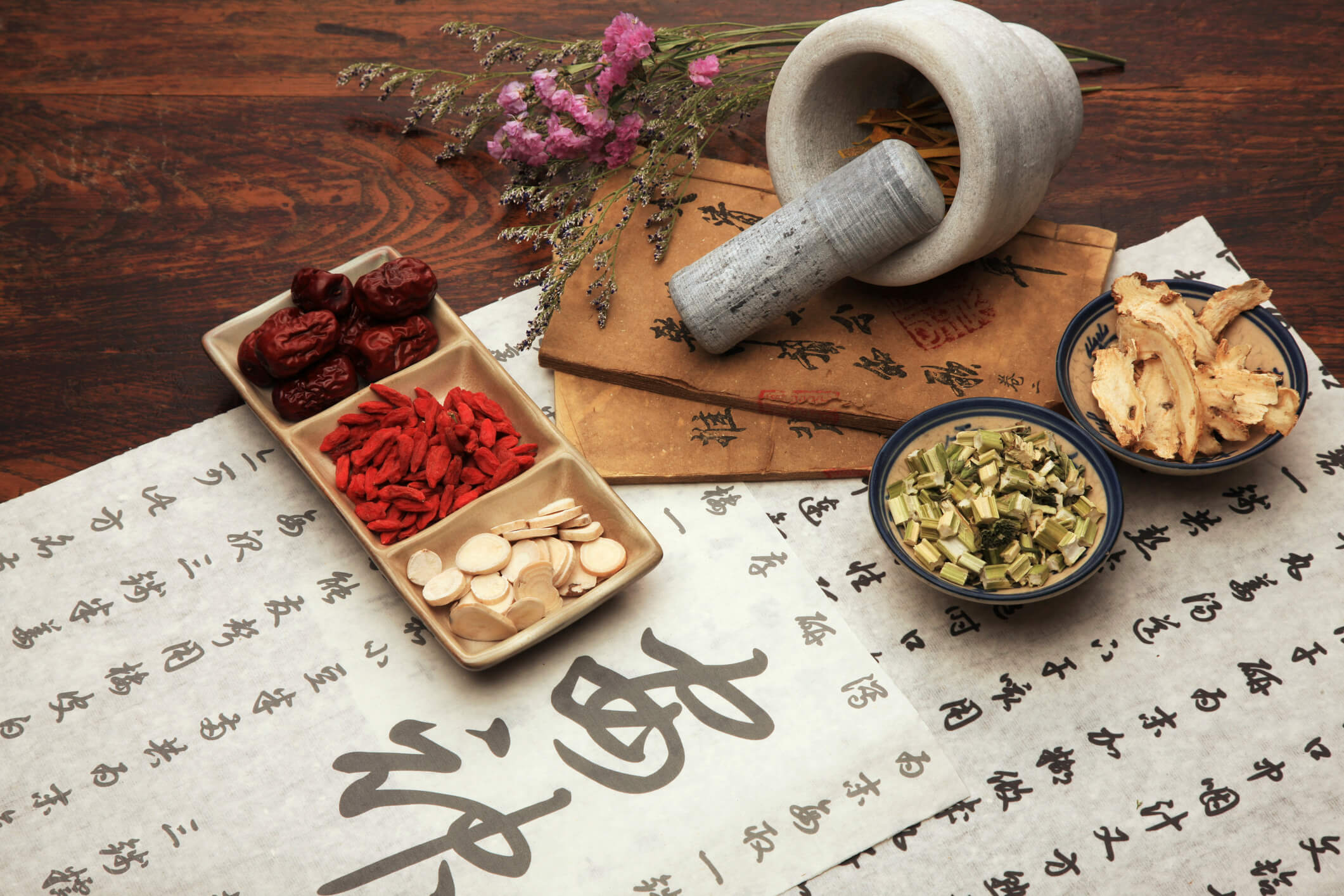
Chinese Medicine: A Comprehensive Approach to Health and HealingChinese Medicine: A Comprehensive Approach to Health and Healing

For over two millennia, Chinese medicine has been a cornerstone of healthcare in China and many other parts of the world. It is a rich and profound system that incorporates philosophy, natural remedies, and an intimate understanding of the body and mind. Chinese medicine isn’t just a set of practices for treating illness, but a lifestyle aimed at promoting balance and harmony in all aspects of life. In today’s world, as many people search for alternative or complementary healing systems, Chinese medicine offers a holistic approach that resonates with those seeking natural ways to address their health concerns. This article delves into the core philosophies, practices, and modern relevance of Chinese medicine.

The Philosophical Foundations of Chinese Medicine

Chinese medicine is deeply rooted in the ancient philosophies of Taoism and Confucianism, which emphasize the interconnectedness of nature, the body, and the universe. The key philosophies that guide Chinese medicine include the concept of Qi (energy), the balance of Yin and Yang, and the Five Elements theory.

1. Qi: The Vital Energy of Life

At the heart of Chinese medicine is the concept of Qi (pronounced "chee"), which is considered the fundamental life force or energy that flows through the body and the universe. Qi is responsible for all physiological activities, and its flow governs physical and mental health. In Chinese medicine, illness arises when Qi is blocked, deficient, or stagnant. Restoring the smooth flow of Qi is central to maintaining health and healing.

The body has a network of energy pathways known as meridians, and these pathways are responsible for transporting Qi throughout the body. Acupuncture, acupressure, and other treatments aim to regulate and harmonize the flow of Qi, addressing blockages and imbalances in the system.

2. Yin and Yang: The Dynamic Balance

The concept of Yin and Yang represents two opposing yet complementary forces that exist in everything—inside the body and in the environment. Yin is associated with qualities such as cold, rest, and nourishment, while Yang is linked to heat, activity, and movement. In a healthy body, Yin and Yang are balanced; when they become imbalanced, illness occurs.

For example, too much Yang can lead to heat-related symptoms like inflammation, fever, or irritability, while too much Yin can manifest as fatigue, cold extremities, and mental sluggishness. Chinese medicine treatments aim to restore balance between Yin and Yang, ensuring that neither force dominates the body’s natural state.

3. The Five Elements: A Framework for Understanding Health

The Five Elements theory is another cornerstone of 跌打醫館 . These elements—Wood, Fire, Earth, Metal, and Water—are believed to correspond not only to different organs in the body but also to various physiological functions and emotional states. Each element is interconnected, and the balance between them determines health.

  • Wood corresponds to the Liver and is associated with the emotion of anger.
  • Fire corresponds to the Heart and is linked to joy.
  • Earth corresponds to the Spleen and is connected with worry.
  • Metal corresponds to the Lungs and is associated with grief.
  • Water corresponds to the Kidneys and is linked to fear.

Imbalances within any of the Five Elements can lead to both physical and emotional disharmony. Chinese medicine seeks to identify and correct these imbalances to restore overall health.

Key Practices in Chinese Medicine

Chinese medicine uses a wide range of therapies to restore balance and address health concerns. These treatments are often personalized, as each individual’s condition and constitution are unique. Below are some of the key therapies in Chinese medicine:

1. Acupuncture: Restoring Qi Flow

Acupuncture is one of the most well-known practices in Chinese medicine. It involves inserting very thin needles at specific points on the body, known as acupoints, which correspond to meridians and organs in the body. These points are carefully chosen based on the diagnosis of the individual's condition.

The goal of acupuncture is to stimulate the flow of Qi, improve blood circulation, and relieve blockages or stagnation in the body. This method has been used to treat a wide variety of conditions, including chronic pain, stress, digestive issues, hormonal imbalances, and mental health concerns like anxiety and depression.

Acupuncture has gained worldwide recognition for its effectiveness in pain management, with numerous studies supporting its ability to reduce inflammation, promote healing, and improve general health.

2. Herbal Medicine: Natural Remedies for Restoration

Chinese herbal medicine is one of the most ancient and widely practiced branches of Chinese medicine. Herbs are selected based on the individual’s unique condition and constitutional type. Unlike Western pharmaceutical drugs, Chinese herbal medicine often uses complex combinations of herbs, which work synergistically to address a variety of symptoms and root causes of illness.

Some commonly used Chinese herbs include:

  • Ginseng: Known for its ability to boost energy, strengthen the immune system, and reduce fatigue.
  • Astragalus: Often used to enhance the body's resistance to illness and support immune function.
  • Dong Quai: A powerful herb often used in women’s health, particularly for regulating menstrual cycles.
  • Licorice Root: Used to harmonize the actions of other herbs and strengthen digestion.

Herbal medicine is commonly used to treat chronic illnesses, boost immunity, improve digestion, and restore vitality. The benefits of Chinese herbal medicine are increasingly being recognized in the West as more people seek natural, non-pharmaceutical options for health.

3. Cupping Therapy: Releasing Stagnation

Cupping therapy is another popular treatment in Chinese medicine. It involves placing glass, bamboo, or silicone cups on the skin and creating suction, which pulls the skin and underlying tissue into the cup. This suction is believed to help release stagnation in the Qi and blood, improve circulation, and relieve muscle tension.

Cupping is often used to treat musculoskeletal pain, respiratory issues, and even digestive problems. The distinctive marks left by cupping are often mistaken for bruises, but they typically fade within a few days and do not cause any long-term harm.

Cupping has gained significant popularity in recent years, particularly among athletes who use it to speed up recovery from muscle soreness or injuries.

4. Moxibustion: Warming the Body to Heal

Moxibustion is a therapeutic technique that involves burning moxa, a dried herb made from mugwort, near specific acupuncture points on the body. The heat from moxibustion is believed to help invigorate Qi, expel cold from the body, and promote healing.

Moxibustion is often used in cases where cold or deficiency is present in the body, such as chronic pain, digestive issues, or low energy. It can be applied in conjunction with acupuncture or other treatments for enhanced therapeutic effects.

5. Tai Chi and Qigong: Cultivating Health and Vitality

Tai Chi and Qigong are mind-body practices that combine physical movement, breath control, and meditation to cultivate and balance Qi. These gentle exercises promote relaxation, improve flexibility, reduce stress, and increase energy levels.

  • Tai Chi: Often referred to as "meditation in motion," Tai Chi is a martial art that focuses on slow, fluid movements and deep breathing. It has been shown to enhance balance, improve cardiovascular health, and reduce the risk of falls in older adults.
  • Qigong: Similar to Tai Chi but with simpler movements, Qigong is a practice designed to cultivate and circulate Qi throughout the body. It is often used to promote overall health and longevity, improve mental clarity, and alleviate stress.

Both practices are beneficial for maintaining long-term health and preventing disease, and they have gained widespread popularity around the world for their ability to improve physical and mental well-being.

The Relevance of Chinese Medicine Today

While Chinese medicine is centuries old, its practices continue to be relevant and effective in today’s world. The modern lifestyle, with its emphasis on fast-paced work schedules, stress, poor diet, and lack of physical activity, has created a demand for holistic approaches to health that go beyond the treatment of symptoms. Chinese medicine, with its emphasis on prevention, balance, and harmony, offers an invaluable resource for addressing modern health challenges.

1. Chronic Pain and Inflammation

Chinese medicine has proven highly effective in treating chronic pain, inflammation, and musculoskeletal issues. Practices such as acupuncture, cupping, and herbal remedies have provided relief for conditions like arthritis, fibromyalgia, sciatica, and back pain. Acupuncture, in particular, has been shown to stimulate the release of endorphins, the body’s natural painkillers, helping to reduce pain and inflammation without the need for pharmaceutical drugs.

2. Mental Health and Stress Management

In today’s stressful world, mental health challenges such as anxiety, depression, and insomnia are becoming increasingly common. Chinese medicine addresses these conditions by balancing the body’s energy and regulating emotional states. Acupuncture, herbal medicine, and practices like Tai Chi and Qigong are known to help alleviate stress, improve mood, and promote relaxation. These natural treatments provide an alternative to pharmaceutical interventions for individuals seeking to address mental health issues without the side effects of traditional medications.

3. Immune Support and Preventive Care

Chinese medicine is rooted in the idea of preventive care—helping the body maintain balance before illness occurs. Herbs such as astragalus and ginseng are commonly used to boost the immune system and increase resistance to infection. Regular acupuncture treatments and Tai Chi practice can also help keep the body's energy flowing smoothly, strengthening its defenses and preventing disease.

Conclusion: A Holistic Approach for Modern Wellness

Chinese medicine offers a holistic, natural, and effective way to restore health, enhance vitality, and promote well-being. By focusing on balance, prevention, and the interconnectedness of body, mind, and spirit, Chinese medicine provides a timeless approach to healing that continues to resonate in today’s fast-paced world. Whether used to treat specific conditions, manage chronic illness, or maintain overall wellness, Chinese medicine offers valuable tools for creating a life of harmony and health. As more individuals seek integrative, holistic healthcare, the wisdom of Chinese medicine stands as a powerful and enduring resource for modern healing.


The Last Comparison Of Hair Growth Solutions: Oils, Serums, Supplements, And Medical Examination TreatmentsThe Last Comparison Of Hair Growth Solutions: Oils, Serums, Supplements, And Medical Examination Treatments

Hair loss is a park concern moving both men and women, and it can lead from genetic science, secretion changes, stress, nutritional deficiencies, or underlying checkup conditions such as androgenous alopecia. As sentience around hair health has redoubled, so has the come of available solutions claiming to support hair regrowth and reduce shedding. These solutions generally fall into four John Major categories: cancel oils, topical serums, dietary supplements, and medical checkup treatments. Each approach works otherwise, offers varied levels of potency, and suits different types of hair loss. Understanding how they liken is necessity for choosing the right scheme. scalp serum.

Natural oils are often the first line of defense for individuals looking for gruntl, low-cost, and orthodox hair care solutions. Oils such as coconut palm oil, genus Castor oil, and argan oil are widely used to meliorate scalp health, reduce dryness, and tone up hair strands. These oils do not directly cure genetic hair loss, but they can produce a fitter scalp that supports stronger hair increment over time. Regular scalp knead with oil can also better profligate , which may indirectly benefit follicles. However, the effectiveness of oils is usually express to sustainment and bar rather than reversing considerable hair cutting.

Hair increment serums typify a more Bodoni font and targeted go about. These products often contain active voice ingredients studied to stimulate follicles and sustain the increment phase of hair. One of the most well-known clinically designed treatments in this category is Rogaine, base in products like Rogaine. Minoxidil works by accretive rip flow to the scalp and portion reactivate unerect hair follicles. Unlike natural oils, serums can show mensurable results in individuals experiencing early on to tame hair loss, although homogenous use is needful to maintain get on. While in the main effective, they may cause temporary shedding at the start and must be used incessantly to avoid turn around of results.

Dietary supplements are another pop solution, especially among individuals who believe their hair loss may be coupled to biological process gaps. Supplements containing biotin, vitamin D, zinc, iron, and Z butterball acids are usually marketed for hair health. Biotin in particular has gained popularity, although its strength is mainly seen in individuals who are actually inadequate in it rather than in those with rule nutrient levels. Supplements support overall hair potency and timber but are seldom comfortable as a standalone treatment for genic hair loss. Instead, they are best viewed as adjunct therapy that complements other treatments.

Medical treatments volunteer the most scientifically valid approach to addressing considerable or continuous tense hair loss. Oral medications such as finasteride are unremarkably positive to men experiencing male pattern baldness. Finasteride works by blocking the endocrine responsible for follicle shrinkage, thereby retardation down hair loss and, in some cases, promoting regrowth. In summation to medications, high-tech procedures such as hair transplanting supply a more permanent root by relocating sound follicles to cutting areas. These medical exam options are typically suggested for individuals with tame to terrible hair loss who have not achieved copasetic results from local or cancel methods.

When comparison these four categories, it becomes that each has its own strengths and limitations. Oils are best for superior general scalp nutrition and bar, serums supply targeted stimulation with clinically verified ingredients, supplements subscribe intragroup nourishment, and health chec treatments turn to the hormonal or genic causes of hair loss more directly. However, no one solution works universally for everyone, and the effectiveness often depends on the stage and cause of hair loss.

A combined set about is often advised the most effective strategy. For example, someone experiencing early thinning might use Rogaine-based serums alongside organic process supplements and scalp oils to maximise results. Meanwhile, individuals with sophisticated hair loss may need medical exam intervention joint with confirmatory care to wield scalp health. Consistency is also crucial, as most hair increment treatments take several months before viewable improvements appear.

Ultimately, the selection between oils, serums, supplements, and medical treatments depends on somebody goals, budget, and the underlying cause of hair loss. While cancel and over-the-counter solutions can cater gradual improvement and sustenance, medically authorized treatments continue the most trusty selection for considerable regrowth. Understanding the differences allows individuals to set philosophical doctrine expectations and build a personalized hair care plan that delivers the best possible long-term resultant.

Dispensary Cannabis and Mental Health What Studies SayDispensary Cannabis and Mental Health What Studies Say

In today’s fast-paced world, mental health has become a central concern for millions. Anxiety, depression, and chronic stress affect not only emotional well-being but also physical health, productivity, and quality of life. As people explore natural ways to support their mental health, dispensary cannabis has emerged as an intriguing option — offering potential benefits that are both physical and psychological. But what does the science actually say?

A Shift in Perspective

Cannabis has long carried social stigma, often associated with recreational use rather than health benefits. However, research and clinical studies have begun to paint a different picture — one where cannabinoids may play a role in managing symptoms of stress, anxiety, and mood disorders.

Dispensaries, in particular, provide a safe, regulated environment where individuals can access high-quality, lab-tested products. These professional settings also allow for personalized guidance on strains, dosages, and consumption methods — an approach that prioritizes mental wellness over recreational use.

Understanding the Science

The mental health benefits of cannabis largely stem from the interaction between cannabinoids and the endocannabinoid system (ECS) — a network of receptors in the brain and body that regulates mood, stress response, and emotional balance. Two primary compounds in cannabis have been the focus of most studies:

  1. CBD (Cannabidiol): Non-intoxicating and widely studied for its calming effects, CBD may help reduce anxiety and stress by influencing serotonin pathways in the brain.

  2. THC (Tetrahydrocannabinol): Psychoactive and responsible for the “high,” THC can promote relaxation and euphoria in small, controlled doses, but overconsumption may increase anxiety in some individuals.

A review published in Frontiers in Psychiatry highlighted that CBD shows promise in reducing anxiety-related symptoms, including social anxiety and post-traumatic stress disorder (PTSD). Similarly, controlled studies suggest that cannabis, when used mindfully, may help improve sleep quality — another critical factor in mental health.

Dispensary Cannabis: Guided and Personalized Care

One of the most important benefits of dispensary access is education and professional guidance. Many individuals struggling with mental health concerns may be hesitant to experiment on their own, especially given the variability of cannabis strains and potency. Licensed dispensaries provide trained staff, often called budtenders, who can help customers select the right products and dosages for their needs.

For instance, someone experiencing anxiety might benefit from CBD-rich oils or capsules, while someone dealing with mild depression could explore low-dose THC strains combined with CBD. Topicals or infused beverages may also offer subtle effects without the intensity of smoking or vaping.

What Studies Say About Mental Health Benefits

While cannabis is not a cure-all, research indicates several potential advantages for mental health:

  • Anxiety Reduction: Studies show that CBD can modulate the brain’s stress response, promoting calmness and emotional stability.

  • Improved Sleep: Cannabis, especially indica-dominant strains, may help regulate sleep cycles, providing restorative rest that supports emotional resilience.

  • Mood Support: Small, controlled doses of THC may enhance mood and help some individuals feel more relaxed and socially connected.

  • PTSD Symptom Relief: Preliminary studies suggest cannabinoids can reduce nightmares and hyperarousal symptoms associated with PTSD.

However, experts caution that effects vary widely depending on dosage, individual biology, and method of consumption. Overuse or high THC concentrations may exacerbate anxiety or paranoia, highlighting the importance of professional guidance and mindfulness.

Balancing Benefits with Caution

Cannabis is a tool, not a replacement for therapy or medical care. Mental health professionals often emphasize that cannabis should complement, not replace, traditional treatments, such as counseling, cognitive behavioral therapy (CBT), or prescribed medications. When used responsibly, dispensary cannabis can become part of a holistic approach to wellness — helping reduce stress, improve mood, and enhance overall quality of life.

A Mindful Approach to Mental Health

The rise of dispensary cannabis represents a broader shift toward personalized wellness. By offering access to high-quality products and educational support, dispensaries empower individuals to explore planet 13 safely and mindfully. As research grows, it is becoming increasingly clear that cannabis has the potential to support mental health — not as a cure, but as a valuable component of a balanced wellness strategy.

For many, the combination of scientific insight, professional guidance, and natural relief makes dispensary cannabis an attractive option for navigating the complexities of mental health in the modern world.

Somatropină The Essential Guide to Growth Hormone Therapy and Its BenefitsSomatropină The Essential Guide to Growth Hormone Therapy and Its Benefits

Understanding Somatropină: What You Need to Know

Somatropină, commonly known as growth hormone, is a vital peptide hormone produced naturally by the pituitary gland. Somatropină It plays a crucial role in stimulating growth, cell reproduction, and regeneration in humans. In medical contexts, somatropină refers to synthetic growth hormone used therapeutically to treat various health conditions, including growth hormone deficiency in children and adults. As an innovative treatment option, somatropină has transformed the approach to managing growth disorders and certain age-related issues.

The Therapeutic Applications of Somatropină

One of the primary uses of somatropină is in addressing growth hormone deficiency (GHD), a condition where the body does not produce enough natural growth hormone. For children with GHD, treatment with somatropină can promote normal growth and development, helping them reach their full height potential. Adults suffering from GHD may also benefit from this therapy, experiencing improvements in muscle mass, bone density, and overall energy levels. Additionally, somatropină is employed in treating cachexia, severe burns, and certain chronic illnesses where muscle wasting and tissue repair are critical.

How Somatropină Works and Its Administration

Somatropină mimics the body’s natural growth hormone, stimulating the liver to produce insulin-like growth factor 1 (IGF-1), which facilitates growth of bones and tissues. The treatment typically involves subcutaneous injections, administered daily or several times a week depending on the specific condition and patient needs. Proper dosage and monitoring are essential to maximize benefits and minimize potential side effects. Healthcare professionals often tailor the therapy plan to individual patient profiles, considering age, health status, and treatment goals.

Potential Benefits and Risks of Somatropină Therapy

The advantages of somatropină are extensive, including increased muscle strength, improved bone density, enhanced metabolic functions, and better quality of life for individuals with growth hormone deficiencies. However, like any medical treatment, it carries potential risks. Side effects may include joint pain, swelling, insulin resistance, and, in rare cases, increased intracranial pressure. It is crucial to undergo therapy under medical supervision, with regular assessments to ensure safety and effectiveness. For many, the benefits of somatropină significantly outweigh the risks when administered appropriately.

Why Choose Professional Guidance for Somatropină Treatment

Given its complexity and the importance of precise dosing, consulting with healthcare professionals experienced in growth hormone therapy is vital. Clinics specializing in hormone treatments, such as Peptology, provide comprehensive evaluation, personalized treatment plans, and ongoing monitoring. Choosing a reputable provider ensures that therapy is safe, effective, and tailored to your individual health profile. Furthermore, professional guidance helps mitigate potential side effects and optimize therapeutic outcomes.

Exploring the Future of Growth Hormone Therapy

Research continues to advance our understanding of somatropină and its applications. Emerging developments include improved formulations with fewer side effects, novel delivery methods, and expanded indications such as anti-aging treatments and sports performance enhancement. As science progresses, personalized medicine approaches are likely to make growth hormone therapy even safer and more effective for a broader range of patients. Staying informed about these innovations can help individuals make educated decisions about their health and wellness journey.

In conclusion, understanding the role of somatropină and its therapeutic potential is essential for anyone considering treatment for growth deficiencies or related health concerns. With professional supervision and proper management, somatropină can significantly enhance quality of life, supporting healthy growth and metabolic function. To learn more about this innovative hormone therapy and find expert guidance, visit Peptology and explore your options today.