
Packaging machines play a critical role in modern manufacturing, and one of the most widely used technologies in this field is the vertical packing system. Packaging machines are designed to improve speed, accuracy, and efficiency in product handling, and vertical systems have become a preferred choice across many industries. 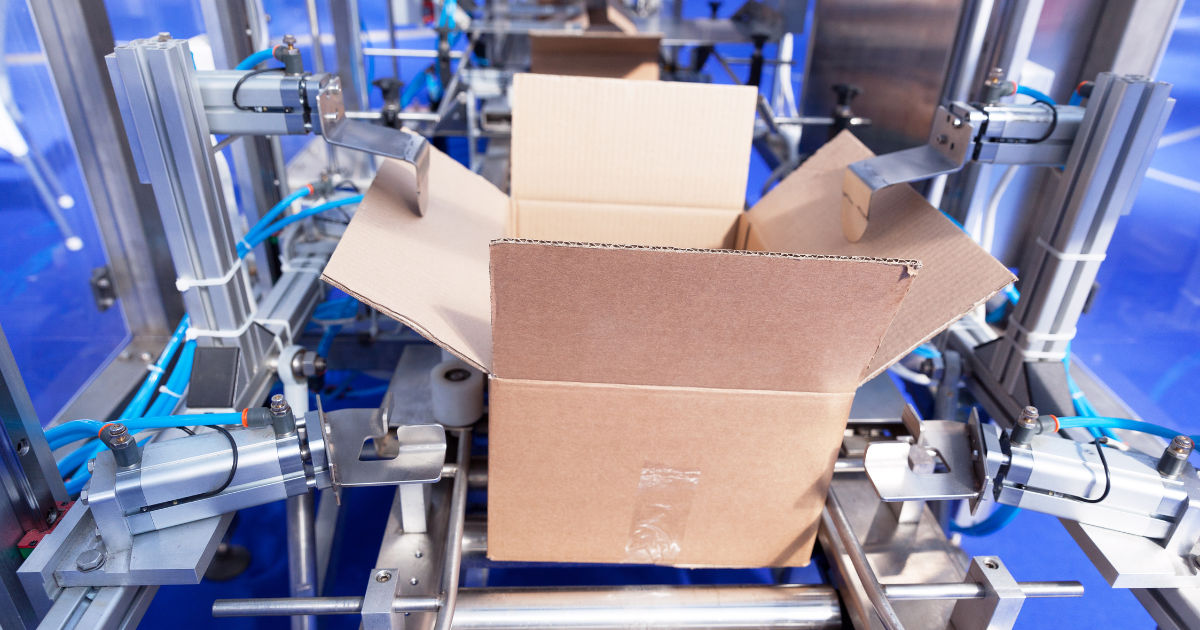
Packaging machines are no longer just simple tools for sealing products; they are advanced systems that integrate automation, precision, and smart controls. Among these innovations, vertical packing systems stand out because they offer a compact design and efficient workflow. Packaging machines with vertical systems are commonly used for food items, powders, grains, snacks, and even non-food products.
In this detailed guide, we will explore why vertical packing systems are so widely used in Packaging machines, how they work, and what advantages they offer to industries worldwide.
What Are Vertical Packing Systems?
Vertical packing systems are a type of automated solution used in Packaging machines where products are filled and sealed in a vertical direction. Instead of moving products horizontally through different stages, Packaging machines using vertical systems drop products into packaging bags from above.
This method is highly efficient because gravity assists the filling process, making Packaging machines faster and more accurate. Vertical packing systems are commonly used in vertical form-fill-seal (VFFS) technology, which is one of the most popular designs in modern Packaging machines.
These systems are designed to handle a wide range of product types, including solid, granular, and powdered materials. Packaging machines using vertical systems can be adjusted easily to accommodate different packaging sizes and shapes, making them extremely flexible for manufacturers.
How Vertical Packaging Works
Vertical packing systems operate through a simple yet highly efficient process. Packaging machines first form a bag from a roll of film. Then, the product is measured using a dosing system and dropped vertically into the bag. Finally, the Packaging machines seal the bag at both the top and bottom to ensure product safety.
The entire process is automated, reducing the need for manual labor. Packaging machines are equipped with sensors and control systems that ensure precise measurement and consistent sealing quality. Because gravity assists the filling process, vertical systems in Packaging machines are faster and more reliable compared to other methods.
The steps generally include:
- Film feeding and forming the bag
- Product weighing or measuring
- Vertical filling using gravity
- Sealing and cutting the package
Each of these steps is optimized in Packaging machines to ensure maximum efficiency and minimum waste.
Space Efficiency in Production Facilities
One of the biggest reasons industries choose vertical systems in Packaging machines is space efficiency. Manufacturing facilities often have limited floor space, and vertical systems require much less horizontal area compared to traditional horizontal machines.
Packaging machines designed with vertical systems are compact and can be installed in smaller production areas without sacrificing output. This makes them ideal for businesses that want to expand production without investing in larger facilities.
Additionally, Packaging machines with vertical systems allow manufacturers to install multiple units side by side, increasing production capacity without requiring additional space. This compact design is a major advantage for modern industries.
High-Speed Production and Automation
Speed is another important reason why vertical systems are widely used in Packaging machines. These systems are designed for continuous operation, allowing products to be packed quickly and efficiently.
Packaging machines using vertical technology can operate at high speeds due to gravity-assisted filling. This reduces mechanical resistance and increases overall throughput. As a result, businesses can produce more packaged goods in less time.
Automation also plays a key role. Modern Packaging machines are equipped with advanced sensors, programmable logic controllers, and automated feeding systems. These features ensure that vertical packing systems operate smoothly with minimal human intervention.
High-speed performance makes Packaging machines essential for industries with large-scale production needs, such as food processing and consumer goods.
Versatility in Product Handling
Vertical systems in Packaging machines are highly versatile and can handle a wide variety of products. Whether it is rice, sugar, coffee, snacks, or powdered substances, Packaging machines can easily adjust to different product types.
This versatility is one of the main reasons manufacturers prefer vertical systems. Packaging machines can switch between different product lines without major modifications, saving both time and cost.
Even non-food industries use Packaging machines with vertical systems for packaging items like hardware parts, medical supplies, and agricultural products. This adaptability makes vertical systems a universal solution.
Cost Efficiency and Reduced Operational Costs
Cost savings are another major advantage of vertical systems in Packaging machines. These machines reduce labor costs because most of the process is automated. Fewer workers are needed to operate Packaging machines, which lowers overall operational expenses.
Additionally, vertical systems reduce material waste. Packaging machines are designed to measure products accurately, ensuring that each package contains the correct amount. This precision minimizes product loss and improves profitability.
Maintenance costs are also relatively low because vertical systems in Packaging machines have fewer moving parts compared to complex horizontal systems. This leads to longer machine life and reduced downtime.
Accuracy and Reduced Product Waste
Accuracy is extremely important in manufacturing, and Packaging machines with vertical systems excel in this area. These machines use advanced weighing and dosing systems to ensure each package contains the exact quantity of product.
Packaging machines reduce human error significantly by automating the entire process. This ensures consistency across all packaged units, which is important for brand reputation and customer satisfaction.
Reduced waste is another benefit. Since Packaging machines control product flow precisely, there is less spillage and overfilling. This improves resource efficiency and reduces production costs.
Hygiene and Safety Standards
Hygiene is especially important in industries like food and pharmaceuticals. Vertical systems in Packaging machines are designed to maintain high hygiene standards by minimizing human contact with products.
Packaging machines often use stainless steel construction and sealed environments to prevent contamination. Vertical filling also reduces exposure to external contaminants because products are dropped directly into packaging without manual handling.
Safety features are also integrated into modern Packaging machines. Emergency stops, automatic error detection, and protective enclosures ensure safe operation for workers.
Integration with Modern Production Lines
Modern manufacturing requires seamless integration between different machines, and vertical systems in Packaging machines are designed for this purpose.
Packaging machines can be connected to conveyor systems, weighing machines, labeling machines, and quality control systems. This creates a fully automated production line where each stage works in harmony.
Integration improves efficiency and reduces delays in production. Packaging machines can also be monitored remotely using digital systems, allowing operators to track performance in real time.
Industries That Use Vertical Packaging Systems
Vertical systems in Packaging machines are used in a wide range of industries. Some of the most common include:
- Food and beverage industry
- Agricultural sector
- Pharmaceutical industry
- Chemical industry
- Hardware and manufacturing industry
In each of these industries, Packaging machines help improve efficiency, reduce costs, and maintain product quality.
For example, in the food industry, Packaging machines are used to pack snacks, grains, and spices. In agriculture, they are used for seeds and fertilizers. This wide usage shows how adaptable vertical systems are.
Challenges and Limitations
Although vertical systems in Packaging machines offer many benefits, they also have some limitations. One challenge is that very fragile products may get damaged during vertical dropping.
Another limitation is that certain sticky or irregular-shaped products may not flow smoothly through Packaging machines. In such cases, additional modifications or specialized systems are required.
Initial setup costs can also be high, although long-term savings usually compensate for this investment. Despite these challenges, Packaging machines remain a preferred choice due to their efficiency and reliability.
Future of Vertical Packaging Systems
The future of Packaging machines with vertical systems looks very promising. With advancements in automation, artificial intelligence, and robotics, these machines are becoming even more intelligent and efficient.
Future Packaging machines are expected to include self-adjusting settings, predictive maintenance, and improved energy efficiency. This will further reduce operational costs and increase productivity.
Sustainability is also becoming a major focus. Packaging machines are being designed to reduce material usage and support eco-friendly packaging solutions. Vertical systems will continue to play a key role in this transformation.
Conclusion
Vertical packing systems have become an essential part of modern manufacturing due to their efficiency, speed, and versatility. Packaging machines using vertical technology offer numerous advantages, including space savings, cost reduction, high accuracy, and improved hygiene standards. These benefits make them ideal for a wide range of industries, from food processing to pharmaceuticals.
Despite a few limitations, the advantages of vertical systems in Packaging machines far outweigh the drawbacks. As technology continues to evolve, these machines will become even more advanced, offering smarter automation and better sustainability.
In conclusion, vertical systems represent the future of efficient production, and Packaging machines will continue to rely on them for high-performance packaging solutions across global industries.